








The British Library Philatelic Collections represent the national philatelic collection of the United Kingdom, boasting an impressive array of over 8 million items from across the globe. Established in 1891 as part of the British Museum Library, which later evolved into the British Library, the collection began with the acquisition of Thomas Tapling's extensive holdings. Beyond initial bequests and ongoing donations, the library has consistently received
deposits from the Crown Agency, solidifying its role as a primary research resource for understanding British Empire and international history through the lens of philately.
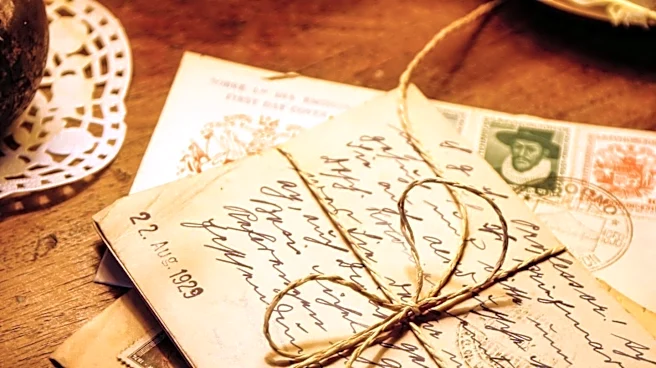
This vast collection encompasses more than just postage stamps; it includes a wide variety of artifacts, from newspaper stamps to an actual press used to print the very first British postage stamps. A permanent exhibition showcasing items from these collections is on display in the British Library's entrance area on the upper ground floor. This exhibit is widely considered to be one of the finest galleries in the world for diverse classic stamps and philatelic material, offering a unique glimpse into postal history.
Origins and Growth of a National Collection
The foundation of the British Library Philatelic Collections can be traced back to 1891 with the integration of Thomas Tapling's collection into the British Museum Library. This initial acquisition laid the groundwork for what would become a comprehensive national resource. Over the years, the collection expanded significantly through a combination of bequests, continuous donations, and consistent deposits from the Crown Agency. These contributions have been crucial in building a collection that serves as a vital research tool for scholars interested in the history of the British Empire and broader international postal developments.
The scope of the collection extends far beyond traditional postage stamps. It includes items such as newspaper stamps, which offer insights into early forms of media and taxation, and even a printing press that was instrumental in producing the first British postage stamps. This diverse range of artifacts allows researchers and enthusiasts to explore the technological, economic, and social aspects of postal communication throughout history. The ongoing growth of the collection ensures its continued relevance and importance for future generations of philatelists and historians.
Notable Holdings and Research Opportunities
The British Library Philatelic Collections house an extraordinary number of items, with approximately 80,000 items displayed on 6,000 sheets within 1,000 display frames in the permanent exhibit. Of these, 2,400 sheets are specifically from the foundational Tapling Collection. Beyond the public display, a wealth of other material, covering the entire world, is made available to students and researchers by appointment, highlighting the collection's role as a serious academic resource.
Among its many notable holdings are specialized collections like the Row Collection, which focuses on Siam (modern-day Thailand) postage stamps and postal stationery from 1881 to 1918. This collection, comprising 23 volumes, 1,358 pages, and 24,473 items, has been digitized and made available online, offering high-resolution images and descriptive metadata through the Internet Archive. Other significant collections include the Crown Agents Philatelic and Security Printing Archive, which contains official records, proof material, and pre-production artwork for stamps and other security documents from the British Commonwealth and other countries, dating from 1861 to 2007. The Board of Inland Revenue Stamping Department Archive, covering 1710 to 1971, provides official records of British revenue stamps, their manufacture, registration, and control, transferred to the British Library in 1972.
Curatorial Stewardship and Security Challenges
The care and development of the Philatelic Collections have been overseen by a series of dedicated curators. From 1948, H. R. Holmes served as curator, though the post was managed on a part-time basis in the late 1950s. A security crisis emerged in 1959 when an item from the Tapling Collection was discovered missing. In response, James A. Mackay was recruited in 1961 as a research assistant and later promoted to Assistant Keeper in 1965. However, Mackay was arrested in 1971 and charged with stealing items, specifically progressive proofs from the Crown Agents, valued at £7,600, which he exchanged for Winston Churchill stamps worth £400. He was fined £1,000 and dismissed, leading to improved security measures, including the recruitment of Bob Schoolley-West, one of the investigating police officers.
David Beech joined as a philatelic curator in 1983 and became Head of the Collections in 1991, serving as a former President of The Royal Philatelic Society London and co-founder of the International Philatelic Libraries Association before his retirement in 2013. Paul Skinner succeeded him as Lead Curator, and Richard Scott Morel joined in 2014, overseeing the digitization efforts, such as the online publication of the Row Collection. These curatorial efforts ensure the preservation, accessibility, and continued growth of this invaluable national treasure, despite past challenges.