







Solomon Robert Guggenheim, born in 1861, was an American businessman who made his fortune in various industries, including needlework, gold, silver, copper, and lead. However, he is perhaps best known for his profound impact on the art world, specifically for establishing the Solomon R. Guggenheim Foundation and the iconic Solomon R. Guggenheim Museum in New York City. His journey from a wealthy industrialist to a dedicated art collector and museum
founder illustrates a significant shift in focus, ultimately leaving a lasting cultural legacy.
Guggenheim's early life was rooted in a prominent and affluent family. He was the son of Swiss immigrant Meyer Guggenheim, who owned a Swiss embroidery manufacturing and importing company. In 1879, his father acquired a stake in a lead and silver mine in Leadville, Colorado, which marked the beginning of what would become a vast mining empire. Solomon, along with his brothers, was involved in the family's diverse business interests, which included the M. Guggenheim & Sons needlework business and later, significant roles in the mining sector.
Early Business Ventures and Family Legacy
Born in Philadelphia, Pennsylvania, Solomon Guggenheim was one of many siblings, including Simon, Benjamin, and Daniel. His family's wealth originated from his father, Meyer Guggenheim, who was of Swiss Ashkenazi Jewish ancestry. After attending public school in Philadelphia, Solomon pursued studies in German language and business at the Concordia Institute in Zürich, Switzerland. This international education likely prepared him for the global scope of his family's enterprises.
Upon returning to the United States, Solomon became deeply involved in the family mining business. He played a crucial role in turning around the Compañía de la Gran Fundición Nacional Mexicana, a significant foundry company in Mexico. His leadership extended to becoming the president of the Braden Copper Company in Chile. In 1906, he further expanded his business empire by founding the Yukon Gold Company, operating in the Yukon Territory and Alaska, demonstrating his extensive reach across North and South America in the resource industry.
A Pivotal Shift to Art Collecting
Despite his successful and demanding business career, Guggenheim began collecting art in the 1890s. This interest grew significantly, leading him to retire from his business endeavors after World War I to dedicate himself fully to art collecting. This marked a profound transition from the world of commerce and industry to the realm of culture and aesthetics. His passion for art evolved, eventually focusing on modern art, a decision that would shape his most enduring legacy.
Under the guidance of artist Baroness Hilla von Rebay, Guggenheim developed an important collection of modern art by the 1930s. This collaboration was instrumental in defining the direction of his collection and his subsequent philanthropic efforts. The growing collection necessitated a dedicated space, leading to the opening of his first museum in 1939. By the early 1940s, the sheer volume of avant-garde paintings he had acquired made the need for a permanent, purpose-built structure undeniable. This vision culminated in the commissioning of Frank Lloyd Wright in 1943 to design what would become the iconic Solomon R. Guggenheim Museum, though it would open after Guggenheim's death in 1949. The museum's collection expanded significantly in 1948 with the purchase of art dealer Karl Nierendorf's estate, adding some 730 objects, including German Expressionist paintings and works by artists like Paul Klee, Oskar Kokoschka, and Joan Miró, further solidifying the museum's focus on expressionist and surrealist art.
The Enduring Guggenheim Legacy
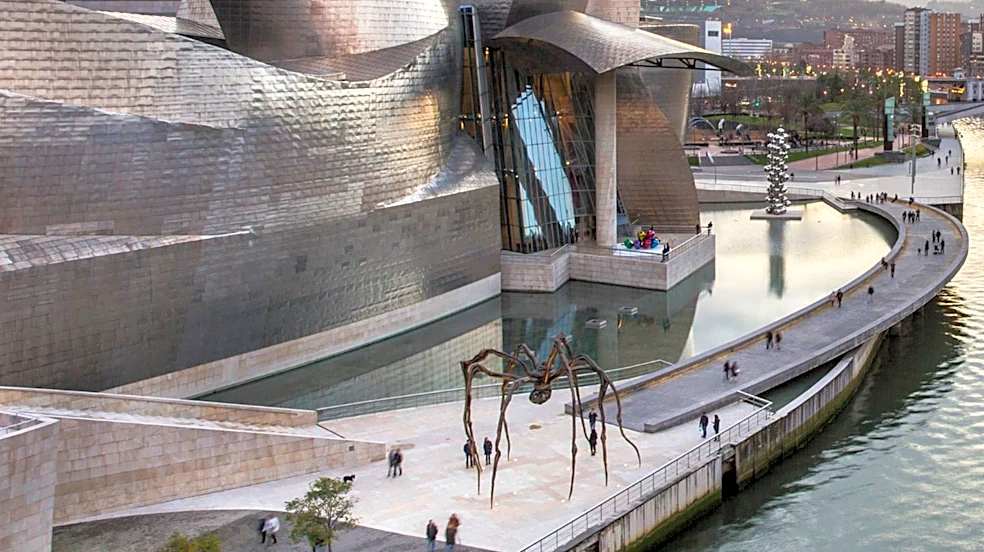
Solomon R. Guggenheim passed away in 1949, but his vision continued to flourish. The museum he founded, initially known as the Museum of Non-Objective Painting, was renamed the Solomon R. Guggenheim Museum in 1952, three years after his death. The renowned building designed by Frank Lloyd Wright finally opened its doors in New York City on October 21, 1959, fulfilling Guggenheim's ambition for a permanent home for his extraordinary collection. Beyond the New York institution, the Guggenheim Foundation also operates other significant art venues, such as the Peggy Guggenheim Collection in Venice, established by his niece, Peggy Guggenheim, further extending the family's influence on global art patronage.