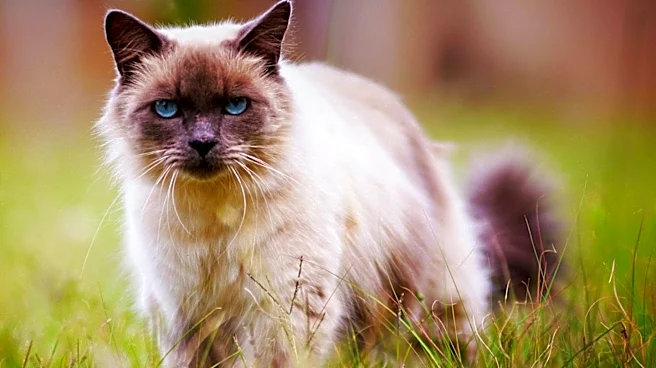








The Birman cat, while celebrated for its beauty and gentle nature, also presents specific health considerations and a notable genetic profile that prospective owners and breeders should understand. Like all purebred animals, Birmans can be predisposed to certain conditions, and their genetic diversity has been a subject of scientific study. This article delves into the health aspects and genetic background of the Birman breed, offering insights into their life
expectancy and potential risks.
Life Expectancy and General Health
A study conducted in the UK, analyzing veterinary records, provided valuable data on the Birman's life expectancy. Based on a sample of 38 cats, the study found that Birmans had an average life expectancy of 14.39 years. This figure is notably higher than the overall average life expectancy for cats, which was reported as 11.74 years. This suggests that, generally, Birmans tend to be a relatively long-lived breed when compared to the broader feline population.
Despite this encouraging average, it is important to note that individual health can vary. Regular veterinary care, a balanced diet, and a suitable environment contribute significantly to a cat's longevity and well-being. Understanding potential breed-specific health issues allows for proactive management and care.
Kidney Health and Associated Risks
Research has indicated that Birman cats may have a predisposition to certain kidney-related conditions. A 2017 study by Paltrinieri, Giraldi, Prolo, Scarpa, et al., found that Birman cats often exhibit high serum concentrations of creatinine and symmetric dimethylarginine (SDMA). While most Birmans showed higher creatinine levels than SDMA, both are important markers for kidney function.
Creatinine is a byproduct of creatine metabolism and is excreted through urination, while SDMA is released during the normal breakdown of body proteins. Elevated levels of these substances can be indicators of chronic kidney disease, a condition for which Birman cats are considered to be at high risk. Furthermore, Birmans are also susceptible to feline infectious peritonitis (FIP), a disease that can alter renal function, impacting creatinine levels in both blood and urine. These findings underscore the importance of monitoring kidney health in Birmans.
Other Genetic and Health Concerns
Beyond kidney issues, Birmans have been identified with other health predispositions. In a review of over 5,000 cases of urate urolithiasis, a condition involving the formation of urinary stones, the Birman breed was significantly over-represented, with an odds ratio of 6.77. This suggests a higher likelihood of Birmans developing this specific type of urolithiasis compared to other breeds.
Additionally, Feline Audiogenic Reflex Seizures (FARS), a recently identified form of epilepsy in cats, is believed to be particularly common in Birman cats. This condition involves seizures triggered by certain sounds. From a broader genetic perspective, a 2008 study by Lipinski et al. revealed that the Birman has one of the lowest levels of genetic diversity among all the breeds studied. This limited genetic diversity can sometimes contribute to a higher prevalence of certain inherited health conditions within a breed, making careful breeding practices and health screening even more critical for the Birman.