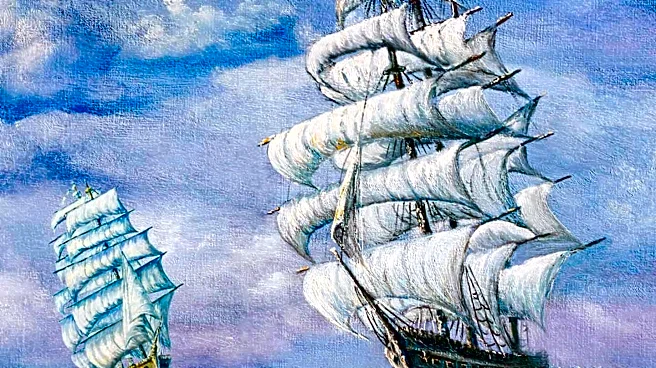







The Chesapeake–Leopard Affair was a significant naval incident that occurred on June 22, 1807, off the coast of Norfolk, Virginia. This confrontation between the British warship HMS Leopard and the American frigate USS Chesapeake played a crucial role in escalating tensions between the United States and the United Kingdom, eventually contributing to the outbreak of the War of 1812. The incident highlighted issues of national sovereignty and maritime
rights, which were central to the growing conflict between the two nations.
The Incident at Sea
On that fateful day, HMS Leopard, under the command of Captain Salusbury Pryce Humphreys, pursued and attacked the USS Chesapeake, commanded by Commodore James Barron. The British were searching for deserters from the Royal Navy, who they believed were aboard the American vessel. Despite being unprepared for battle, Chesapeake was fired upon by Leopard after Barron refused to allow a search of his ship. The American frigate managed to fire only one shot in response before Barron surrendered.
The British boarding party removed four men from Chesapeake, accusing them of desertion. One of these men, Jenkin Ratford, was later hanged, while the others received severe punishments. The incident resulted in the deaths of three American sailors and injuries to eighteen others, including Barron himself. This aggressive act by the British was seen as a violation of American sovereignty and sparked outrage across the United States.
Diplomatic Fallout and Jefferson's Response
The Chesapeake–Leopard Affair caused an uproar in the United States, with many Americans calling for war against Britain. President Thomas Jefferson attempted to use the public's anger to pressure the British government into making amends. However, British envoys showed no remorse, reaffirming their right to impressment, which only fueled American resentment.
Faced with diplomatic failure, Jefferson turned to economic measures, leading to the Embargo Act of 1807. This act aimed to pressure Britain and France by prohibiting American ships from trading with foreign ports. However, the embargo proved to be economically damaging to the United States and was widely unpopular.
A Step Toward War
The Chesapeake–Leopard Affair was a pivotal moment in the lead-up to the War of 1812. It underscored the tensions between the United States and Britain over issues such as impressment and maritime rights. While not the sole cause of the war, the incident contributed to the growing animosity that would eventually lead to open conflict.
The affair also had lasting effects on the U.S. Navy, highlighting the need for better preparedness and stronger defenses. The public's shock at Chesapeake's quick surrender led to questions about the Navy's ability to protect the nation, influencing future naval policies and strategies.