
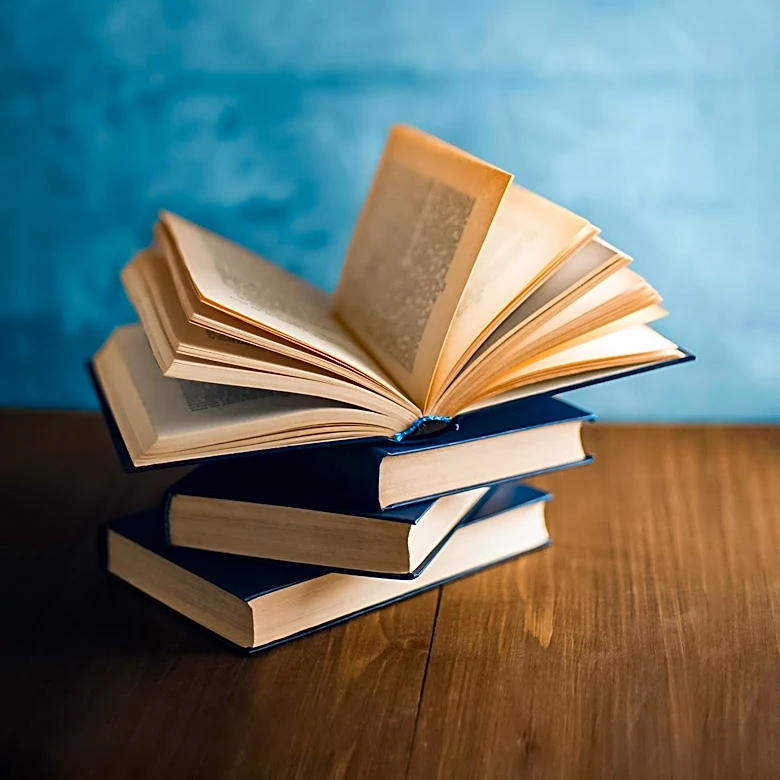






Special collections play a crucial role in preserving cultural and historical artifacts that are invaluable to our understanding of the past. These specialized libraries house rare and unique materials that require special care and handling. From rare books and manuscripts to photographs and digital records, special collections ensure that these items are preserved for future generations. This article explores the significance of special collections in maintaining
cultural heritage and the unique challenges they face.
The Importance of Special Collections
Special collections are essential for preserving items that have significant artifactual or monetary value. These collections often include materials that are rare or unique, making them irreplaceable. By maintaining these items, special collections help to preserve the cultural and historical context in which they were created. This is particularly important for researchers and historians who rely on these materials to gain insights into past societies, cultures, and events.
In addition to their historical value, special collections often hold items associated with important figures or institutions in history, culture, politics, sciences, or the arts. This association adds another layer of significance to the materials, making them even more valuable for research and education. By preserving these items, special collections contribute to a deeper understanding of our shared cultural heritage.
Challenges in Preserving Special Collections
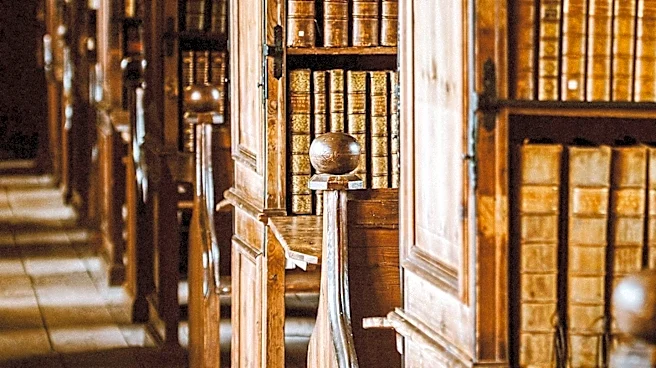
Preserving special collections comes with unique challenges. Due to the rarity and value of the materials, these collections require specialized security and user services. Items in special collections are typically stored in closed stacks, meaning they are not directly accessible to the public. This ensures that the materials are protected from unauthorized access, theft, and vandalism.
Environmental conditions such as temperature, humidity, and illumination must be carefully monitored to prevent damage to the materials. Many institutions with special collections have offsite storage facilities to provide additional security and flexibility in managing their space. These facilities are designed to maintain optimal conditions for the preservation of the materials, ensuring their longevity.
The Future of Special Collections
As technology advances, special collections are increasingly incorporating digital records into their holdings. This presents both opportunities and challenges for preservation. Digital records can be more easily accessed and shared, broadening the reach of special collections. However, they also require ongoing maintenance and updates to ensure their accessibility over time.
Despite these challenges, the commitment to preserving cultural heritage remains strong. Institutions continue to acquire new collections and invest in the necessary resources to maintain them. By doing so, special collections ensure that future generations will have access to the rich cultural and historical artifacts that define our past.