


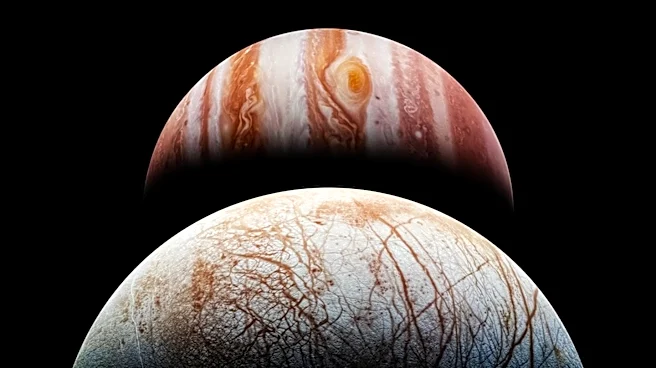


The collision of Comet Shoemaker-Levy 9 with Jupiter in July 1994 was a groundbreaking event in the field of astronomy. It provided scientists with a rare opportunity to observe the dynamics of a cosmic collision and gain insights into the atmospheric conditions of a gas giant. This article delves into the scientific observations and findings that emerged from this historic event.
Observing the Collision
The impacts of Comet Shoemaker-Levy 9 were meticulously observed by
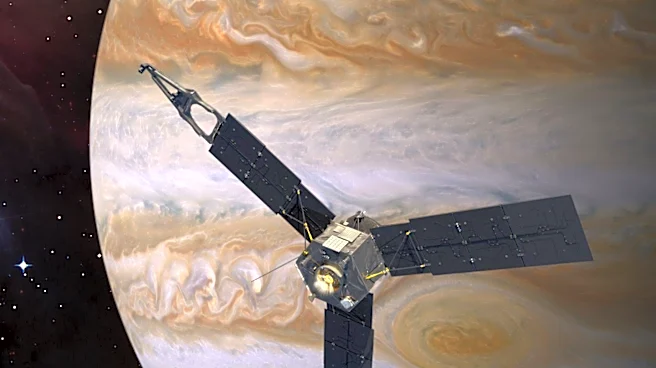
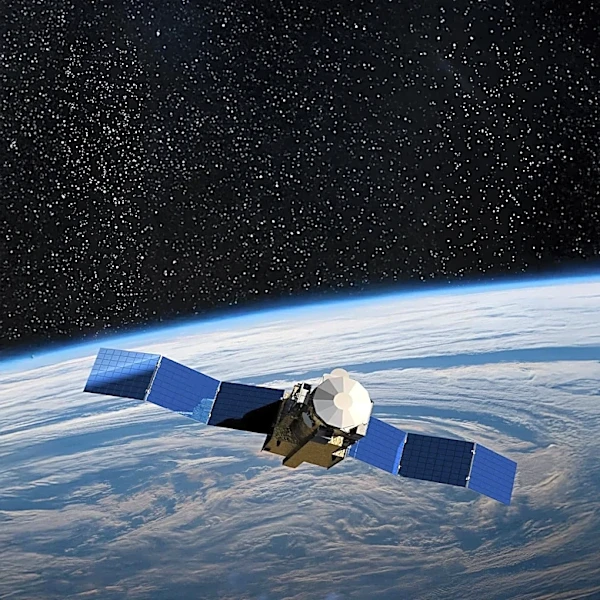
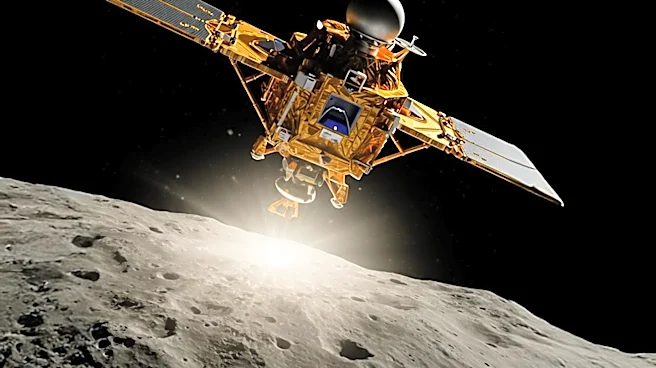
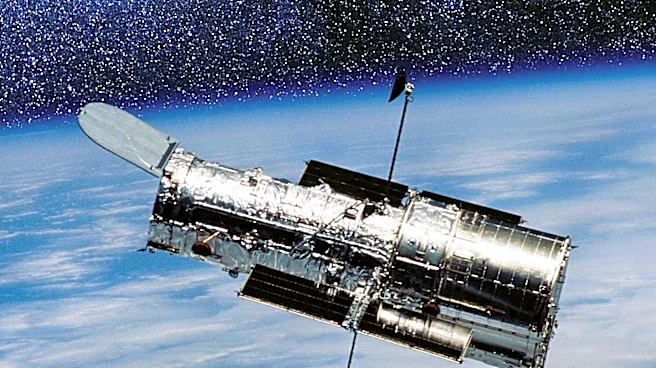
a range of telescopes and spacecraft. The Galileo spacecraft, which was on its way to Jupiter, captured direct views of the impacts. Earth-based observatories, including the Hubble Space Telescope, also monitored the event closely. These observations allowed scientists to witness the collision in real-time and study its immediate effects on Jupiter's atmosphere.
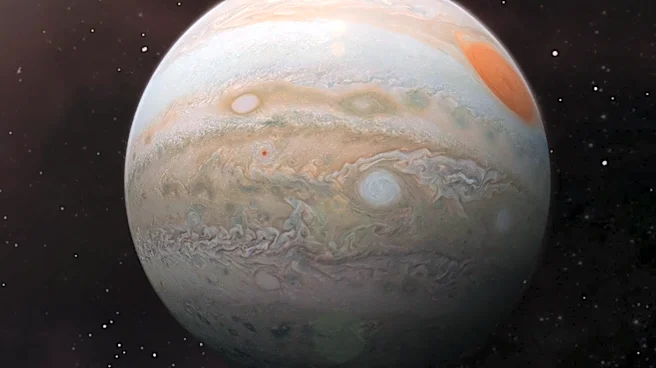
The impacts generated massive fireballs and plumes, with temperatures reaching up to 24,000 K. These plumes rose over 3,000 kilometers above Jupiter's cloud tops, providing a dramatic visual display. The collision also left dark scars on the planet's surface, which were visible for months, offering a prolonged period for scientific study.
Insights into Jupiter's Atmosphere
The collision of Comet Shoemaker-Levy 9 provided a unique opportunity to study Jupiter's atmosphere. The impacts caused eruptions of material from beneath the cloud layers, revealing information about the planet's composition. Scientists were able to track high-altitude winds and observe changes in the magnetosphere, enhancing their understanding of the relationship between these atmospheric layers.
One of the surprising findings was the small amount of water detected following the impacts. Initial models had predicted that the comet would penetrate a layer of water, but observations suggested that the fragments were destroyed at higher altitudes than expected. This led to a reevaluation of the atmospheric models and provided new insights into the structure of Jupiter's atmosphere.
The Legacy of Shoemaker-Levy 9
The collision of Comet Shoemaker-Levy 9 with Jupiter remains a landmark event in planetary science. It highlighted the potential threat of cosmic collisions to planets, including Earth, and underscored the importance of monitoring near-Earth objects. The data collected from this event continues to inform our understanding of the dynamics of cosmic collisions and the atmospheric conditions of gas giants.
In conclusion, the Shoemaker-Levy 9 collision was not only a spectacular astronomical event but also a significant scientific milestone. It provided a wealth of data that has deepened our understanding of the solar system and the forces that shape it.