






The flat-felled seam stands as a testament to robust and practical stitching, offering both strength and a clean finish. This particular type of seam is characterized by its unique construction method, which involves encasing raw fabric edges within a fold, thereby protecting them from fraying. It is a technique highly valued in various applications, from everyday apparel to specialized constructions, due to its ability to keep seam allowances flat and secure.
Understanding the mechanics and benefits of the flat-felled seam reveals why it has remained a staple in sewing for its enduring qualities.
Constructing a Flat-Felled Seam
The process of creating a flat-felled seam is precise, designed to achieve its signature durability. It begins by placing one edge of fabric inside a folded edge of another piece. This initial fold is crucial as it will ultimately house the raw edges, preventing them from unraveling over time. Once the fabric edges are correctly positioned, the fold is then stitched down securely. This stitching not only fastens the fold but also contributes to the overall strength and flatness of the seam.
The meticulous nature of this construction ensures that all raw edges are completely enclosed. This enclosure is a primary advantage, as exposed raw edges are prone to fraying, which can weaken a garment or item over time. By contrast, the flat-felled seam creates a neat, self-finished edge that is highly resistant to wear and tear, making it an excellent choice for items that undergo frequent use or washing.
Applications and Versatility
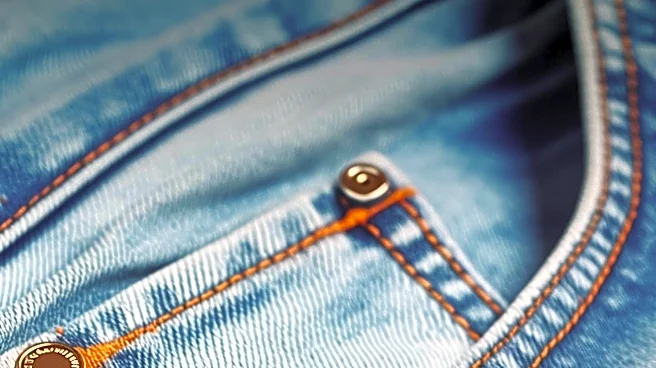
The utility of the flat-felled seam extends across a wide range of textile applications, demonstrating its versatility. One of its most iconic uses is in the construction of denim jeans. The rugged nature of denim, combined with the need for strong, long-lasting seams in workwear and casual clothing, makes the flat-felled seam an ideal choice. It contributes significantly to the characteristic durability and structured appearance of denim garments, ensuring they can withstand considerable stress.
Beyond everyday clothing, this seam type also finds application in more specialized areas, such as traditional tipi construction. In such contexts, where structural integrity and resistance to environmental elements are paramount, the strength and protective qualities of the flat-felled seam are invaluable. Furthermore, despite its reputation for robustness, the flat-felled seam is not limited to heavy-duty fabrics. It can be successfully employed on delicate materials like voile, showcasing its adaptability and the skill involved in its execution. This broad applicability underscores its importance as a fundamental sewing technique.
Distinguishing Flat-Felled from Lap-Felled Seams
While discussing felled seams, it is important to differentiate between flat-felled seams and lap-felled seams. Both aim to enclose raw edges, but their construction and resulting strength differ significantly. The lap-felled seam is generally considered simpler to sew, which might make it appealing for certain projects. However, this simplicity comes at a cost: lap-felled seams are notably weaker than their flat-felled counterparts.
The flat-felled seam's superior strength stems directly from its more intricate construction, where the raw edges are fully encased and stitched down flat. This creates a more secure and durable join. In contrast, the simpler method of a lap-felled seam often results in less secure edge protection and a less robust connection between fabric pieces. Therefore, for applications requiring maximum durability and a clean, flat finish, the flat-felled seam remains the preferred and more reliable option.