






Hoisin sauce is a thick, dark, and savory condiment that holds a significant place in Asian cuisine, particularly in China and Vietnam. Originating in China, it is most prominently featured in Cantonese cooking, where its unique sweet and salty profile enhances a variety of dishes. This versatile sauce serves multiple roles in the kitchen, from a rich glaze for meats to a flavorful addition in stir-fries, and even as a popular dipping sauce. Its complex
taste comes from a blend of fermented soybeans, spices, and other key ingredients, making it a staple that has traveled across culinary borders.
The Distinctive Flavor Profile and Core Ingredients
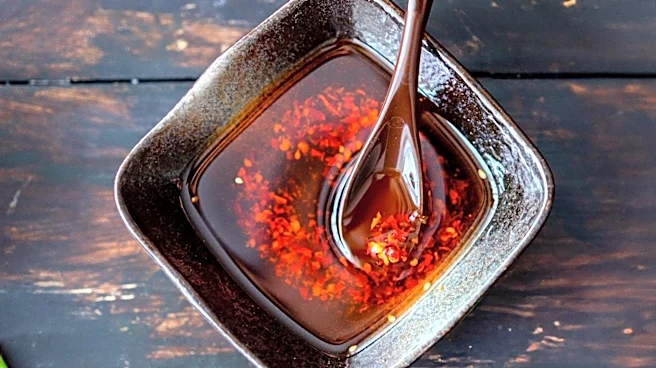
The characteristic taste of Hoisin sauce is a powerful combination of sweetness and a robust, savory depth. This distinctive flavor is achieved through a careful selection of ingredients. Fermented soybeans form the base, contributing a fundamental umami quality. To this, sugar is added for sweetness, balancing the savory notes. Other essential components include garlic, vinegar, and red chili peppers, which introduce pungency, tang, and a subtle heat, respectively.
Beyond these core elements, regional variations and specific recipes may incorporate additional ingredients that further refine the sauce's character. Wheat flour is sometimes included, contributing to its thick consistency. Sesame oil adds a nutty aroma, while salt enhances the overall flavor. Some versions might also feature sweet potatoes, which can add a subtle sweetness and body, and five-spice powder, a classic Chinese blend that typically includes star anise, cloves, Chinese cinnamon, Sichuan pepper, and fennel seeds, imparting a warm, aromatic complexity.
Culinary Applications in Chinese Cuisine
In Chinese cuisine, Hoisin sauce is incredibly versatile and is utilized in numerous ways. It is perhaps best known as a dipping sauce for iconic dishes like Peking duck, where its rich flavor complements the crispy skin and tender meat. Similarly, it is a popular accompaniment for lettuce wraps and moo shu pork, providing a sweet and savory counterpoint to these dishes.
Beyond its role as a dipping sauce, Hoisin is also a key ingredient in marinades, particularly for meats. It is frequently used to marinate char siu, or Chinese barbecued pork, imparting a glossy finish and deep flavor. In cooking, it can be brushed onto broiled chicken as a glaze, creating a caramelized exterior. It also finds its way into stir-fries, adding a layer of complexity and richness to both meat and vegetable preparations. For simpler fare, it can be served with steamed or pan-fried rice noodle rolls, known as cheung fun, often alongside sesame seed sauce.
Hoisin Sauce Beyond China: Its Role in Vietnamese Cuisine
The influence of Hoisin sauce extends beyond China, finding a significant place in Vietnamese cuisine. In Vietnam, it is commonly known as *tương đen*, which literally translates to "black sauce," a descriptive name that reflects its dark color. While its core characteristics remain, its application in Vietnamese dishes often takes on a distinct local flavor.
In Vietnamese culinary traditions, Hoisin sauce is frequently used as a condiment for pho, the country's famous noodle soup. Diners often add a dollop of Hoisin directly to their bowl, stirring it in to enrich the broth with its sweet and savory notes. It also serves as a dipping sauce for various Vietnamese dishes, such as fresh spring rolls (gỏi cuốn) or grilled meats. This cross-cultural adoption highlights the sauce's universal appeal and its ability to adapt and enhance diverse culinary traditions, solidifying its status as a beloved condiment across different Asian kitchens.