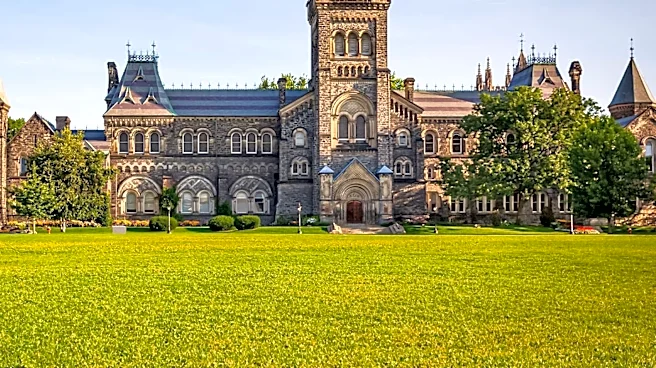








Xavier University of Louisiana is not only a beacon of education but also a site of significant architectural heritage. Its main buildings, including the Main Building, Convent, and Library, are recognized for their late Gothic Revival architectural style and hold a place on the National Register of Historic Places. These structures, constructed between 1932 and 1937, represent the original campus after the university relocated from its earlier preparatory
school address. The Administration building, in particular, is also designated as a City of New Orleans landmark, underscoring its local importance.
A New Campus Takes Shape
Recognizing the university's need for a distinct identity and room for future expansion, Katharine Drexel, the university's founder, acquired a tract of undeveloped land in 1929. This property was located at the corner of Palmetto and Pine Streets. To ensure the deal's successful completion and avoid potential obstacles, Drexel once again purchased the property through an agent, a method she had employed previously. This strategic acquisition paved the way for the construction of the university's permanent campus.The vision for the new campus materialized in the form of U-shaped, Gothic Revival-style buildings. The construction of the Main Building, Convent, and Library commenced shortly after the land acquisition. These impressive structures were crafted from Indiana limestone, a durable and aesthetically pleasing material that contributes to their grand and enduring appearance. The construction phase spanned several years, with the buildings being completed between 1932 and 1937, marking a significant period of growth and establishment for the university.
Architectural Details and Recognition
The Xavier University Main Building, Convent, and Library are distinct yet interconnected structures. The main building, a three-story edifice, was completed in 1932. The convent, standing 2.5 stories tall, was also finished in 1932. The library, a two-story building, followed in 1937. These three buildings, fronted by Drexel Drive, collectively form the original core of the Xavier campus at its current location. While some sources describe the main building and convent as two wings of a single structure, the National Register of Historic Places nomination identifies them as two distinct buildings.The dedication of the Main Administration Building was a momentous occasion, presided over by the Archbishop of Philadelphia, Cardinal Dennis Joseph Dougherty, on Columbus Day, October 12, 1932. This event marked the official opening of the central administrative hub of the new campus. The listing of these buildings on the National Register of Historic Places acknowledges their architectural significance and their role in the historical development of Xavier University of Louisiana. Their Gothic Revival style, characterized by pointed arches, ribbed vaults, and large windows, evokes a sense of tradition and academic gravitas, fitting for an institution dedicated to higher learning. The use of Indiana limestone further enhances their classic and stately appearance, ensuring their preservation as important landmarks in New Orleans and within the broader context of American architectural history.