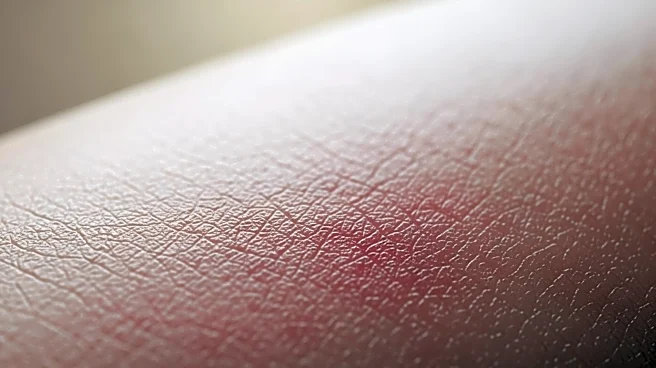










Irritant diaper dermatitis, commonly known as diaper rash, is a prevalent skin condition affecting infants. It occurs in the diaper area and is primarily caused by irritants such as urine and feces trapped by the diaper. This condition is the most common skin disorder seen in infants, characterized by patches of erythema and scaling on the skin's convex surfaces, while the skin folds are usually spared. Understanding the causes and effects of irritant diaper dermatitis is crucial
for effective prevention and treatment.
Causes of Irritant Diaper Dermatitis
Irritant diaper dermatitis develops when an infant's skin is exposed to prolonged wetness and increased skin pH due to the interaction of urine and feces. This exposure leads to the breakdown of the stratum corneum, the outermost layer of the skin, which is thinner and more easily disrupted in infants compared to adults. Factors such as diarrhea, frequent stools, tight diapers, and overexposure to ammonia can exacerbate the condition.
Urine alone can macerate the skin, softening the stratum corneum and increasing susceptibility to friction injury. The breakdown of urea in urine releases ammonia, which raises skin pH and promotes the activity of fecal enzymes like protease and lipase. These enzymes increase skin hydration and permeability to bile salts, further irritating the skin.
Impact on Infants
Diaper dermatitis is the most common skin disease in infants, with prevalence estimates ranging from 36% to 75%. It is more common in premature infants and those aged 9 months to one year. The condition can cause discomfort and pain, leading to fussiness and irritability in affected infants.
The condition can also lead to secondary infections, with Candida being the most common opportunistic invader in diaper areas. Although healthy infants may sometimes culture positive for Candida without symptoms, there is a correlation between the severity of diaper rash and the likelihood of secondary involvement.
Prevention and Treatment
Preventing irritant diaper dermatitis involves minimizing diaper use and increasing the frequency of diaper changes. Thorough drying of the skin before diapering is essential, as excess moisture sets the conditions for diaper rash. Disposable diapers engineered to pull moisture away from the skin can help reduce the incidence of diaper rash.
Barrier creams, mild topical cortisones, and antifungal agents are possible treatments. Over-the-counter creams like petroleum jelly or zinc oxide-based ointments can provide a barrier between moisture and the skin. However, the effectiveness of various treatments varies, and there is limited evidence to support the superiority of one treatment over another. In severe cases, prescription medications such as antifungal creams or topical corticosteroids may be necessary.