
Cantonese cuisine, originating from the Guangdong province of China, has a rich history that reflects the region's cultural and economic evolution. This article explores the historical development of Cantonese cuisine, highlighting
key milestones that have shaped its current form.
Early Beginnings and Cultural Influences
The roots of Cantonese cuisine can be traced back to the Guangdong province, particularly the city of Guangzhou. As a major trading hub, Guangzhou was exposed to a variety of cultural influences, which played a significant role in shaping its culinary traditions. During the Qing dynasty, Guangzhou was the only Chinese port open to foreign trade, allowing for the exchange of ingredients and cooking techniques with other cultures.
This period of cultural exchange introduced new flavors and ingredients to Cantonese cuisine, such as the use of turtle soup, which was adapted from European culinary practices. The ability to incorporate foreign elements while maintaining traditional techniques has been a defining characteristic of Cantonese cuisine throughout its history.
The Rise of Cantonese Cuisine in the West
The global spread of Cantonese cuisine began with the migration of Cantonese people to various parts of the world. As they settled in new regions, they brought their culinary traditions with them, establishing Cantonese restaurants in major cities across the globe. Until the late 20th century, most Chinese restaurants in the West served primarily Cantonese dishes, which helped cement its reputation as the quintessential Chinese cuisine.
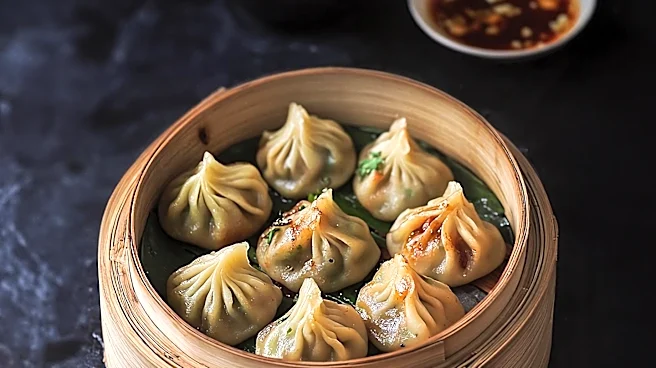
In Western countries, Cantonese cuisine was often adapted to suit local tastes, but it retained its core characteristics. Dishes like dim sum, sweet and sour pork, and wonton noodles became popular staples, showcasing the adaptability and appeal of Cantonese cooking.
Modern Developments and Global Influence
In recent years, Cantonese cuisine has continued to evolve, influenced by modern culinary trends and global tastes. Chefs trained in Cantonese cooking are highly sought after, and the cuisine's emphasis on fresh, high-quality ingredients resonates with contemporary food enthusiasts.
The rise of food tourism has also contributed to the growing interest in authentic Cantonese dining experiences. As more people travel to Guangdong and other regions known for Cantonese cuisine, they gain a deeper appreciation for its rich flavors and techniques.
Cantonese cuisine's ability to adapt while maintaining its traditional roots ensures its continued relevance in the global culinary landscape. As it evolves, it remains a testament to the region's rich cultural heritage and its enduring influence on the world of food.