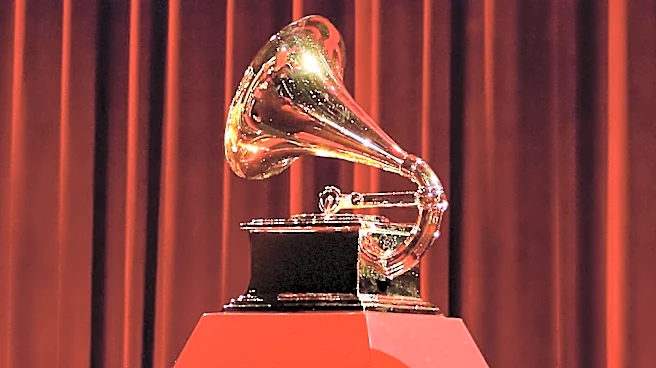






The 2nd Annual Grammy Awards, held on November 29, 1959, marked a significant moment in the history of the music industry's premier awards. This ceremony was dedicated to recognizing the outstanding musical accomplishments of performers throughout the year 1959. Beyond the accolades themselves, this particular event holds a special place in Grammy history as it was the first time the awards ceremony was televised. Aired in episodes as part of a special program
called *Sunday Showcase*, it brought the glamour and recognition of the Grammys to a wider audience for the very first time, setting a precedent for future broadcasts and increasing the event's public profile.
Key Victories and Notable Honorees
The 2nd Annual Grammy Awards saw several artists achieve significant recognition for their work. Among the most celebrated were Frank Sinatra and Duke Ellington, both of whom secured three awards each. Sinatra's triumph included the prestigious Album of the Year award for his work, "Come Dance with Me!", solidifying his status as a leading figure in popular music. Ellington's multiple wins underscored his profound influence and artistic excellence in the jazz and orchestral realms, demonstrating the breadth of musical talent acknowledged by the academy.
These multiple wins by such iconic figures highlighted the diverse range of musical genres and styles that the Grammy Awards sought to honor, even in its early years. The recognition of both popular vocalists and jazz legends showcased the academy's commitment to celebrating a wide spectrum of musical artistry, laying the groundwork for the comprehensive awards ceremony it would become.
The Inaugural Score Soundtrack Award
One of the notable categories introduced and awarded at the 2nd Annual Grammy Awards was the Grammy Award for Best Sound Track Album – Background Score from a Motion Picture or Television. This marked the beginning of recognizing the crucial role of original music composed specifically for visual media. The very first recipient of this award was Duke Ellington, for his groundbreaking soundtrack to the 1959 film *Anatomy of a Murder*. This win was part of his three awards that evening, further cementing his historical impact.
Other significant nominations in this new category included Stanley Wilson for *M Squad*, Franz Waxman for *The Nun's Story*, Dick Cathcart for *Pete Kelly's Blues*, and Henry Mancini for *Peter Gunn*. The establishment of this award demonstrated an early understanding of the unique artistic contributions made by composers to film and television, setting a precedent for what would become a highly respected category in subsequent Grammy ceremonies. It underscored the growing importance of music in enhancing the narrative and emotional depth of visual storytelling.
The Dawn of Televised Awards
The decision to televise the 2nd Annual Grammy Awards was a pivotal moment. Airing as part of *Sunday Showcase*, this marked the first time the general public could witness the awards being presented. While the specific venue for the ceremony is not detailed, the fact that it was broadcast signaled a new era for the Grammys, transforming it from an industry-focused event into a public spectacle. This move undoubtedly contributed to the growing prestige and cultural significance of the awards, allowing music fans across the nation to connect with their favorite artists and celebrate musical achievements. The host for this historic broadcast was Meredith Willson, adding another layer of celebrity to the event.