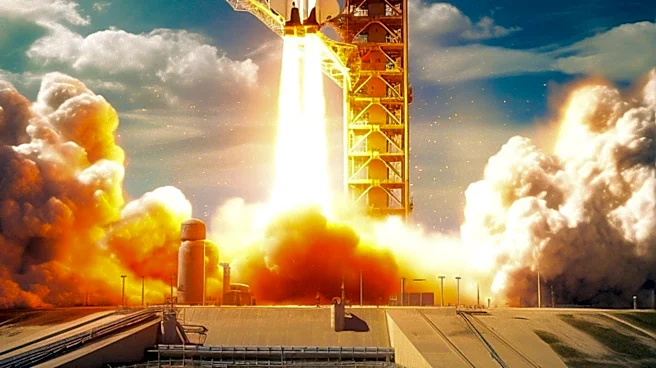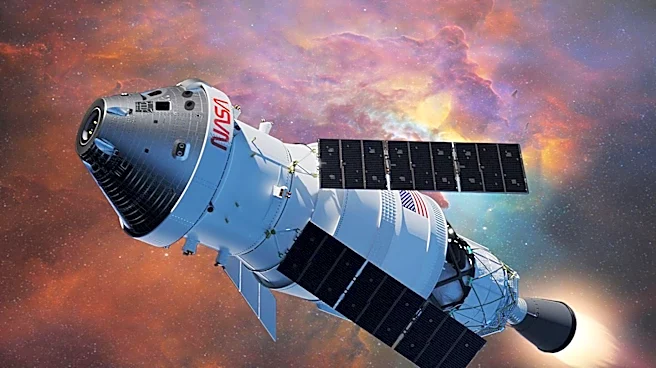

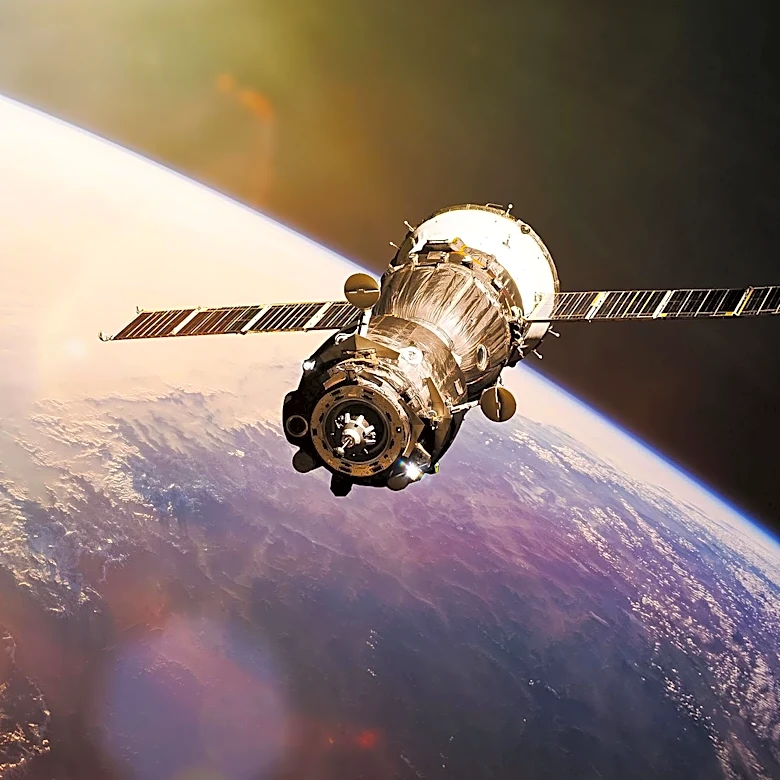


The Gemini 10 mission, launched on July 18, 1966, marked a significant milestone in the history of space exploration. As part of NASA's Gemini program, this mission was the eighth crewed Gemini flight and the 16th crewed American flight overall. Commanded by John Young with pilot Michael Collins, Gemini 10 achieved several groundbreaking objectives, including the first double rendezvous in space and the first use of the Agena's own rocket to reach
higher orbits. This article delves into the key milestones and achievements of the Gemini 10 mission, highlighting its contributions to space exploration.
First Rendezvous and Docking
One of the primary objectives of the Gemini 10 mission was to achieve rendezvous and docking with the Agena Target Vehicle (ATV). The mission began with the successful launch of the Agena booster, followed by the Gemini spacecraft. After entering orbit, Young and Collins executed a series of burns to align their trajectory with the Agena. Despite consuming 60% of their fuel during these maneuvers, they successfully docked with the Agena, marking a significant achievement in space navigation.
The docking allowed the crew to utilize the Agena's rocket, propelling them to an altitude of 412.4 nautical miles, the highest a person had ever been at that time. This maneuver demonstrated the potential for using external propulsion systems to achieve higher orbits, paving the way for future missions that would explore even greater distances.
Second Rendezvous and EVA
Following the first docking, Gemini 10 embarked on a second rendezvous with the derelict Agena left over from the aborted Gemini 8 flight. This marked the program's first double rendezvous, accomplished without radar, relying solely on visual navigation. The crew's ability to locate and approach the inactive Agena demonstrated the feasibility of rendezvousing with passive objects in space.
During the mission, Michael Collins performed two extravehicular activities (EVAs), becoming the first person to meet another spacecraft in orbit. His tasks included retrieving a cosmic dust-collecting panel from the Agena and testing a hand-held maneuvering unit. Despite challenges such as losing his camera and dealing with a tangled tether, Collins successfully completed his objectives, contributing valuable data to the understanding of spacewalk dynamics.
Scientific Experiments and Re-entry
Gemini 10 was not only a mission of technical achievements but also a platform for scientific experiments. The crew conducted ten experiments, including studies on radiation levels, cosmic dust collection, and photography of the Zodiacal light. These experiments provided insights into the space environment and helped prepare for future Apollo missions.
The mission concluded with a successful re-entry and splashdown in the Atlantic Ocean. The Gemini 10 mission demonstrated the capabilities of the Gemini spacecraft and its crew, setting the stage for subsequent missions that would further expand human presence in space. Its achievements in rendezvous, docking, and extravehicular activities remain a testament to the ingenuity and determination of the early space explorers.