




The 1952 Major League Baseball season was a year of significant events and changes that left a lasting impact on the sport. From the regular season champions to the dramatic World Series, 1952 was a year that showcased the excitement and unpredictability of baseball. This article explores the key moments and developments that defined the 1952 season.
Regular Season Highlights
The 1952 Major League Baseball season began on April 15 and concluded on September 28. During this
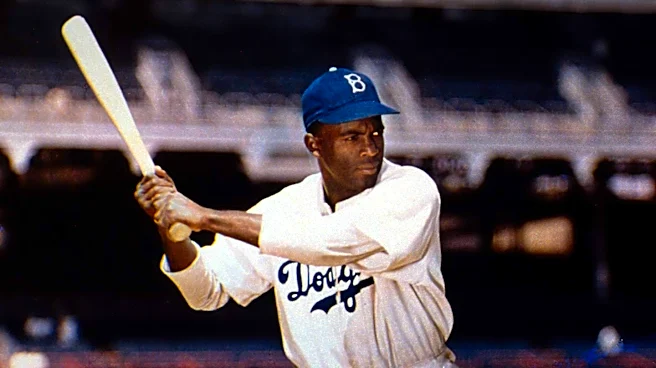
time, teams across the National and American Leagues competed fiercely for the top spot. The Brooklyn Dodgers emerged as the champions of the National League, while the New York Yankees claimed the title in the American League. Both teams demonstrated exceptional skill and determination throughout the season, setting the stage for an exciting postseason.
The regular season was marked by intense competition and memorable performances from players across the league. Fans were treated to thrilling games and standout moments, as teams vied for a chance to compete in the World Series. The success of the Dodgers and Yankees highlighted their dominance in the league and set the stage for a highly anticipated postseason matchup.
The 1952 World Series
The postseason began with Game 1 of the 49th World Series on October 1, 1952. This series was the fourth iteration of the Subway Series matchup between the Brooklyn Dodgers and the New York Yankees. The Yankees ultimately triumphed, defeating the Dodgers four games to three. This victory marked the Yankees' 15th championship in franchise history and their fourth in a five-run World Series.
The 1952 World Series was a testament to the skill and resilience of both teams. Each game was closely contested, with players delivering outstanding performances on the field. The Yankees' victory solidified their status as one of the most successful teams in baseball history, while the Dodgers' strong showing demonstrated their competitiveness and talent.
Changes and Milestones
The 1952 season was notable for several key changes and milestones in Major League Baseball. It marked the final season of a 50-season run during which no team relocated from one city to another. This era of stability came to an end the following year when the Boston Braves moved to Milwaukee, becoming the Milwaukee Braves.
Additionally, 1952 was Ford Frick's first full year as commissioner of Major League Baseball. His leadership and vision helped guide the league through a period of change and growth. The events of 1952 set the stage for future developments in the sport, shaping the landscape of Major League Baseball for years to come.