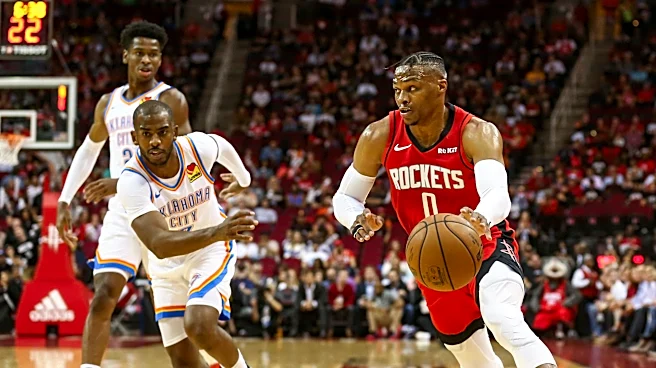









The relocation of the Seattle SuperSonics to Oklahoma City in 2008, establishing the Oklahoma City Thunder, marked not only a geographical shift but also a significant operational and financial transformation for the franchise. This period saw a marked improvement in the team's financial health, fan engagement, and the establishment of a stable home base, demonstrating the positive impact of the move on the organization's overall viability and success
within the NBA landscape.
Initial Financial Boost and Fan Engagement
Immediately following the move to Oklahoma City, the team's operating situation experienced a notable improvement. In December 2008, Forbes magazine provided an early indicator of this positive change, estimating the team's franchise value at $300 million. This represented a 12 percent increase from the previous year's valuation of $268 million, which was recorded when the club was still based in Seattle. This initial financial uplift underscored the economic benefits of the relocation.
Beyond the franchise valuation, fan engagement also saw a dramatic increase. Forbes highlighted a significant rise in the percentage of available tickets sold. In the team's final season in Seattle, this figure stood at 78 percent. However, in the 2008–09 inaugural season in Oklahoma City, ticket sales soared to 100 percent. This immediate sell-out rate demonstrated strong local support and a keen interest from the Oklahoma City community in their new professional basketball team, contributing to a more robust operational environment.
Continued Financial Growth and Operational Stability
The positive financial trends continued into the subsequent seasons. For the 2009–10 season, Forbes magazine estimated the team's franchise value at $310 million, an increase of $10 million over the prior year. Crucially, this period also marked the franchise's first operating profit in years, estimated at $12.7 million. This shift from previous financial struggles to profitability indicated a sustainable business model taking root in Oklahoma City.
By January 2011, the financial health of the Thunder organization had further solidified. Forbes magazine estimated the franchise's worth at $329 million, reflecting a six percent increase from the 2009 to 2010 period and ranking the team No. 18 in the NBA. The magazine also estimated the franchise's revenue at $118 million and its operating profit at $22.6 million, representing increases of 6.3 percent and 78 percent, respectively, from the previous year. These figures illustrate a consistent pattern of financial growth and operational efficiency post-relocation.
Arena and Operational Details
The Paycom Center, initially known as the Ford Center, became the home arena for the Oklahoma City Thunder starting in 2008. This facility played a central role in hosting the team's games and fostering the new fan experience. In terms of attendance, Oklahoma City ranked twelfth overall in the NBA during the 2009–10 season and seventh in the percentage of available seats occupied, reaching 98.9 percent, which included 28 sellouts in 41 home games. This consistent high attendance further contributed to the team's financial stability and demonstrated the strong connection between the franchise and its new fan base.