

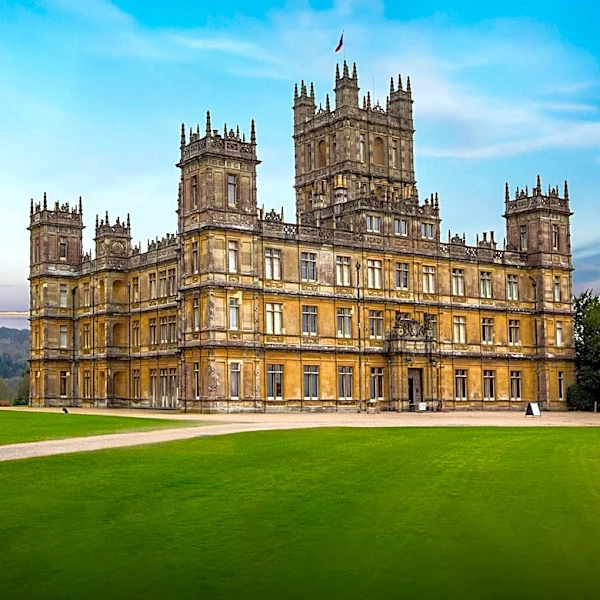






Setting, also known as a backdrop, is a crucial literary element that defines the time and geographic location where a story unfolds, whether it's non-fiction or fiction. It serves as the main backdrop and establishes the mood for a narrative. Beyond just the immediate physical surroundings, setting can encompass the broader "story world" or "milieu," including elements like culture, historical period, geography, and even the specific hour of the day.
Alongside plot, character, theme, and style, setting is considered one of the fundamental components that make up a work of fiction.
Defining the Scope of Setting
The concept of setting extends beyond mere physical location to include the social environment in which a novel's events occur. This social milieu can significantly shape the characters' experiences and the narrative's progression. An important aspect of setting is the passage of time, which can be presented as static in some stories, implying a fixed moment, or dynamic in others, showcasing changes like the shifting seasons. These temporal elements contribute to the overall atmosphere and can even act as a character in themselves, influencing the story's pace and development.
Setting can manifest in three primary forms. The first is the natural world, or an outside place, where natural landscapes, living creatures, and varying weather conditions and seasons play a significant role in the narrative. This form emphasizes the impact of the environment on the story and its characters. For example, a harsh winter setting might create a sense of isolation or struggle, while a vibrant spring could symbolize renewal and hope.
Cultural and Historical Dimensions of Setting
The second form of setting involves the cultural and historical background that frames the narrative. This includes past events that have profoundly influenced the cultural context of the characters or locations. Understanding this historical and cultural backdrop is essential for grasping the motivations of characters, the societal norms they operate within, and the conflicts they face. For instance, a story set during a specific historical war will inherently carry the weight of that conflict, shaping the characters' lives and the story's themes.
This cultural and historical dimension provides depth and realism to a narrative, allowing readers to immerse themselves in a world that feels authentic and well-developed. It helps explain why characters behave in certain ways or why particular events unfold as they do. Without this context, many narratives would lose their resonance and impact, becoming mere sequences of events rather than meaningful explorations of human experience.
Man-Made Environments and Their Influence
The third form of setting encompasses public or private places that have been created, maintained, or resided in by people. Examples include a house, a park, a street, or a school. These man-made environments are often imbued with human history and meaning, reflecting the lives and interactions of the people who inhabit them. A dilapidated house might suggest a family's decline, while a bustling city street could represent opportunity and anonymity.
These constructed settings are not just passive backdrops; they actively contribute to the narrative by providing specific contexts for events and character development. The architecture, the layout, and the general atmosphere of these places can all influence the story's mood and the characters' actions. They can serve as symbols, metaphors, or even catalysts for plot points, demonstrating how human-made spaces are integral to the fabric of storytelling.