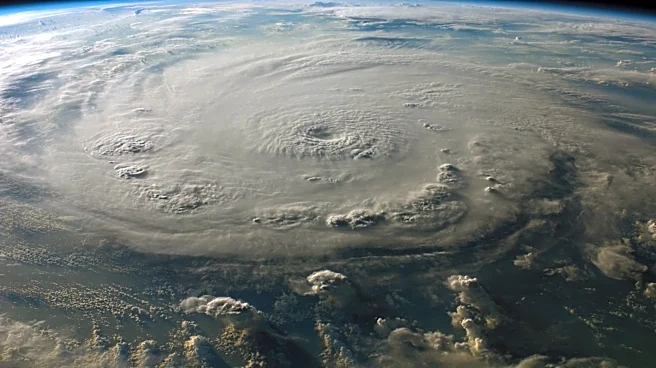




Hurricane Harvey stands as a monumental event in the annals of U.S. natural disasters, not only for its devastating impact but also for its staggering economic and human costs. Tied with Hurricane Katrina as the costliest tropical cyclone on record, Harvey inflicted an estimated $125 billion in damage, primarily due to catastrophic rainfall-triggered flooding in Greater Houston and Southeast Texas. This made it the costliest natural disaster recorded
in Texas at the time, underscoring the immense financial burden and widespread destruction it brought to the region.
A Record-Breaking Financial Toll
The National Oceanic and Atmospheric Administration (NOAA) estimated the total damage from Hurricane Harvey at $125 billion, with a 90% confidence interval ranging from $90 billion to $160 billion. This figure places Harvey in an unenviable position, tied with Hurricane Katrina (2005) as the costliest tropical cyclone on record in the United States. While accounting for inflation and cost increases since 2005, the National Hurricane Center considers Harvey the second-costliest overall. The sheer scope of flooding, particularly in areas with low participation in the National Flood Insurance Program (NFIP), contributed significantly to the large uncertainty in the final damage total.
In Texas alone, the direct damage was substantial, reaching at least $51.177 billion. This economic blow affected hundreds of thousands of structures and vehicles. An estimated 300,000 structures and 500,000 vehicles were damaged or destroyed across the state. More than 48,700 homes were impacted, with over 1,000 completely destroyed and more than 17,000 sustaining major damage. Additionally, nearly 700 businesses were damaged, further illustrating the widespread economic disruption caused by the storm. The refinery industry also saw a significant reduction in capacity, and oil and gas production in the Gulf of Mexico and inland Texas was severely affected, leading to fuel shortages and closures of gas stations.
The Human Cost and Unprecedented Rainfall
Beyond the financial figures, Hurricane Harvey exacted a heavy human toll. Nationwide, 107 people died in storm-related incidents. Of these, 103 fatalities occurred in Texas, with 68 directly attributed to the effects of Harvey, such as flooding. This number represents the highest direct death toll in Texas from a tropical cyclone since 1919. Another 35 deaths in Texas were classified as indirect effects in the hurricane's aftermath. The widespread flooding also necessitated massive rescue efforts, with more than 17,000 rescues performed and over 30,000 people displaced.
One of the most defining characteristics of Hurricane Harvey was its unprecedented rainfall. In a four-day period, many areas received more than 40 inches of rain as the system slowly meandered over eastern Texas and adjacent waters. The peak accumulation reached an astonishing 60.58 inches in Nederland, Texas, making Harvey the wettest tropical cyclone on record in the United States. This record-breaking rainfall was the primary driver of the catastrophic flooding, which ultimately contributed to the immense damage and loss of life, solidifying Harvey's place as one of the most impactful natural disasters in American history.