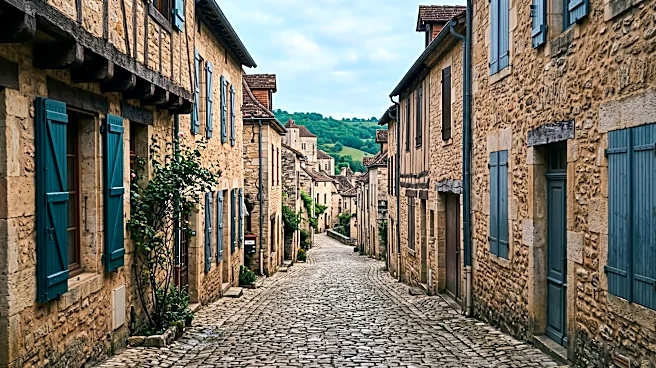







Chambray, a term now widely recognized in the textile industry, refers to a lightweight woven fabric that originated in Cambrai, a city in northern France. Initially, this versatile material was crafted from linen. Over time, particularly by the 19th century, its composition evolved to predominantly feature cotton, which became the dominant fiber. This shift marked a significant point in the fabric's history, influencing its properties and widespread
use. The name "chambray" itself is derived from its city of origin, highlighting its historical roots in French textile production.
Origins and Early Composition
Historically, chambray was known as a textile originating from Cambrai, France. The earliest versions of this fabric were made from linen. This natural fiber would have given the fabric certain characteristics, such as strength and breathability, which were valued in textiles of that era. The city of Cambrai was also known for another fine fabric called cambric, which was initially a fine, white, plain-weave linen cloth. The connection between these two fabrics and their shared origin point to a rich textile heritage in the region.
The term "chambray" itself is considered a French regional variant of "Cambrai," further solidifying its geographical and historical ties. The fabric's initial use of linen aligns with the common textile practices of earlier centuries before cotton became more globally accessible and economically viable for widespread production.
The Shift to Cotton and Distinctive Weave
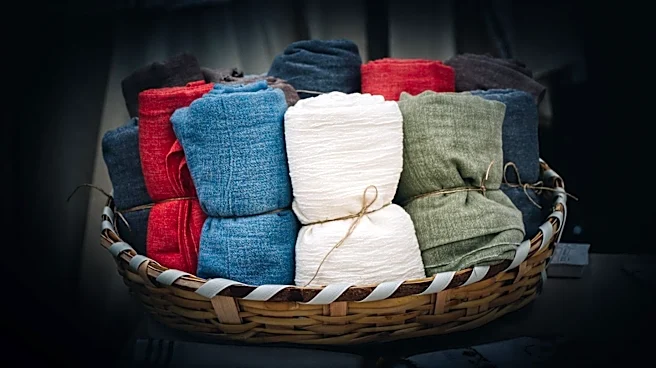
By the 19th century, cotton began to replace linen as the primary fiber for chambray. This transition was part of a broader trend in textile manufacturing, as cotton offered new possibilities in terms of production scale and fabric properties. Modern chambray is characterized by a plain weave, where colored warp threads are interwoven with white weft threads. This specific weaving technique creates a slightly mottled or "heathered" appearance, which is one of its distinguishing features. While often associated with blue, chambray can be made with various colored warp threads, as long as they differ from the white filling.
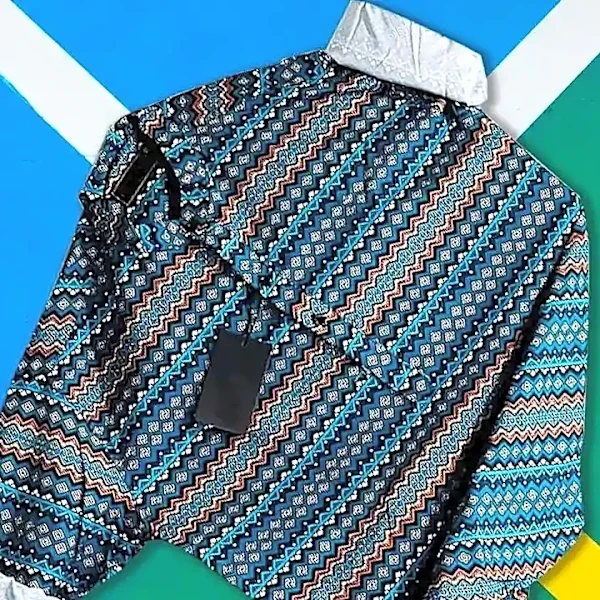
This construction gives chambray a smooth surface and a slightly textured look. It is also known for being lighter and more flexible than denim, yet it maintains a good level of durability. The breathability of chambray makes it particularly suitable for temperate and warm climates, contributing to its popularity in various garments.
Distinguishing Chambray from Similar Fabrics
Chambray is often compared to other fabrics, particularly denim and cambric, due to some shared characteristics or historical connections. While cambric is also a fine, dense cloth originating from Cambrai, chambray is considered a similar fabric. In the United States, the name "chambray" largely replaced "cambric" in the early 19th century, indicating a shift in terminology and perhaps a growing distinction in popular usage.
The key difference between chambray and denim lies in their weave structure. Chambray employs a plain weave where warp and weft threads alternate one over the other. In contrast, denim's warp thread typically goes over two weft threads before going under one. This structural difference results in chambray having a similar color appearance on both its front and back sides, whereas denim usually has a lighter reverse side. Furthermore, chambray is generally lighter and more supple than denim, making it a distinct choice for different types of apparel. While cambric is a very fine and delicate fabric, often used for lingerie or handkerchiefs, chambray is thicker and more robust, highlighting its unique position within the family of woven textiles.