






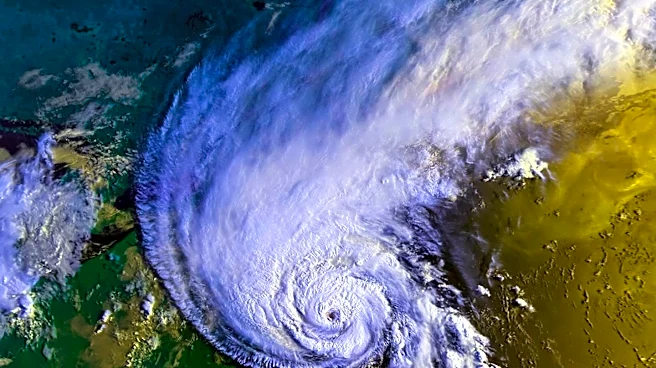


Climate fiction, often referred to as cli-fi, is a burgeoning genre that has captured the attention of readers and critics alike. This genre focuses on narratives that explore the impacts of climate change, often through speculative and science fiction lenses. As climate change becomes an increasingly pressing global issue, climate fiction has emerged as a powerful tool for raising awareness and sparking dialogue about environmental challenges.
The Origins of Climate Fiction
Climate
fiction is a relatively new term, but its roots can be traced back to earlier works of speculative fiction. Authors like J.G. Ballard and Frank Herbert were among the pioneers who explored themes related to environmental change and ecological disaster. Ballard's novels, such as "The Wind from Nowhere" and "The Drowned World," depicted worlds ravaged by natural disasters, while Herbert's "Dune" delved into the ecological complexities of a desert planet. These early works laid the groundwork for what would later be recognized as climate fiction.
The term "cli-fi" itself was coined by Dan Bloom, a freelance news reporter and climate activist, in the late 2000s. Bloom used the term to describe his novella "Polar City Red," which imagined a future where climate refugees sought safety in Alaska. Although the novella did not achieve commercial success, the concept of cli-fi gained traction in the literary world, particularly as climate change became a more prominent topic in public discourse.
Climate Fiction in the 21st Century
In the 21st century, climate fiction has gained significant momentum, with authors like Kim Stanley Robinson, Margaret Atwood, and Octavia E. Butler contributing to the genre. Robinson's "The Ministry for the Future" is a notable example, exploring the societal and political responses to climate change in a near-future setting. Atwood's dystopian trilogy, including "Oryx and Crake," examines the intersection of genetic technology, social inequality, and environmental collapse.
These works, along with others by authors like Richard Powers and Paolo Bacigalupi, have helped to solidify climate fiction as a distinct genre. The narratives often blend elements of science fiction, dystopian themes, and speculative storytelling to imagine potential futures shaped by climate change. This approach not only entertains but also educates readers about the possible consequences of environmental neglect.
The Impact of Climate Fiction
Climate fiction has become an influential genre, prompting discussions about the role of literature in addressing global issues. University courses on literature and environmental studies now frequently include climate fiction in their syllabi, highlighting its educational value. The genre has also been the subject of analysis by academics and critics, who explore its potential to influence public perceptions and attitudes toward climate change.
As climate fiction continues to evolve, it serves as a reminder of the power of storytelling in shaping our understanding of the world. By imagining the future impacts of climate change, cli-fi encourages readers to consider the actions needed today to prevent such scenarios from becoming reality. In doing so, climate fiction not only entertains but also inspires action and awareness in the face of one of humanity's greatest challenges.