




The Columbus Day storm of 1962, also known as the "big blow of 1962," stands as a monumental event in the meteorological history of the Pacific Northwest. This powerful windstorm, which struck the West Coast of Canada and the Pacific Northwest coast of the United States on October 12, 1962, originated from Typhoon Freda. Its intensity was such that it is considered a benchmark for extratropical windstorms in the region, ranking among the most severe
since at least 1948, and possibly since the "Great Gale" and snowstorm of January 9, 1880. The storm's sheer power and destructive force left an indelible mark on the area, influencing how future weather events are measured and understood.
From Tropical Typhoon to Extratropical Giant
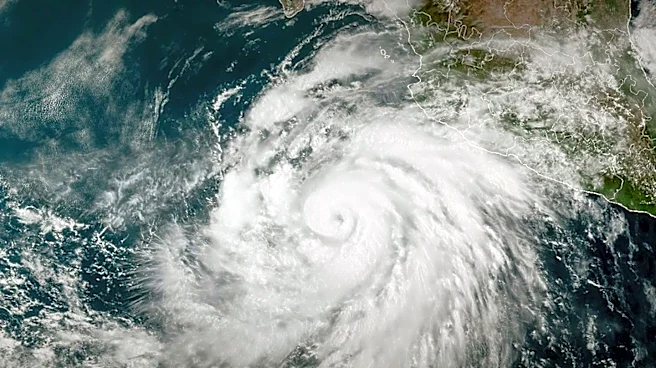
The storm's journey began far across the Pacific as Typhoon Freda, the eighteenth typhoon of the 1962 Pacific typhoon season. Freda originated from a tropical disturbance in the Northwest Pacific on September 28. By October 3, it had strengthened into a tropical storm, earning the name Freda, and later that day, it became a typhoon while moving northeastward. The typhoon rapidly intensified, reaching its peak on October 5 as a Category 3-equivalent typhoon with maximum 1-minute sustained winds of 115 mph and a minimum central pressure of 948 millibars. This formidable tropical system maintained its intensity for another day before gradually weakening starting October 6.
Freda's transformation into the Columbus Day storm involved a critical meteorological shift. On October 9, Freda weakened into a tropical storm, and by the next day, it transitioned into an extratropical cyclone. This transition is significant because extratropical cyclones, while different in structure from tropical cyclones, can still generate immense wind speeds and cover vast areas. On October 11, this newly formed extratropical cyclone turned eastward and accelerated across the North Pacific, setting a direct course for the Pacific Northwest. Its rapid movement and sustained power were key factors in the devastation it would soon unleash.
Unmatched Wind Velocity and Widespread Devastation
When the storm made landfall on the Pacific Northwest on October 12, it brought with it exceptionally strong winds that impacted southwest Canada and the U.S. Pacific Northwest. The Columbus Day storm is a strong contender for the title of the most powerful extratropical cyclone recorded in the U.S. in the 20th century. Its wind velocity was so extreme that it remained unmatched by other notable storms, including the March 1993 "storm of the century" and the "1991 Halloween Nor'easter," famously known as "the perfect storm." This comparison highlights the extraordinary nature of the 1962 event.
The destructive power of the storm was not limited to wind alone. The system was also linked to heavy rains and mudslides, which contributed to its overall impact. Tragically, these combined forces resulted in 46 fatalities across the northwest and Northern California. On October 13, the cyclone made landfall on Washington state and Vancouver Island, then curved northwestward. It subsequently moved into Canada and weakened, eventually being absorbed by another developing storm to the south on October 17. The Columbus Day storm of 1962 remains a stark reminder of nature's power and a crucial reference point for understanding severe weather in the region.