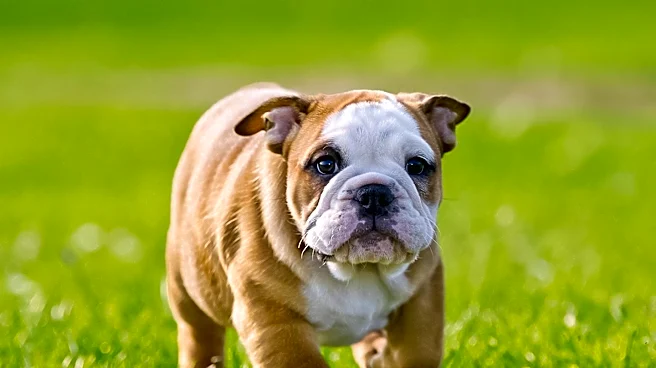


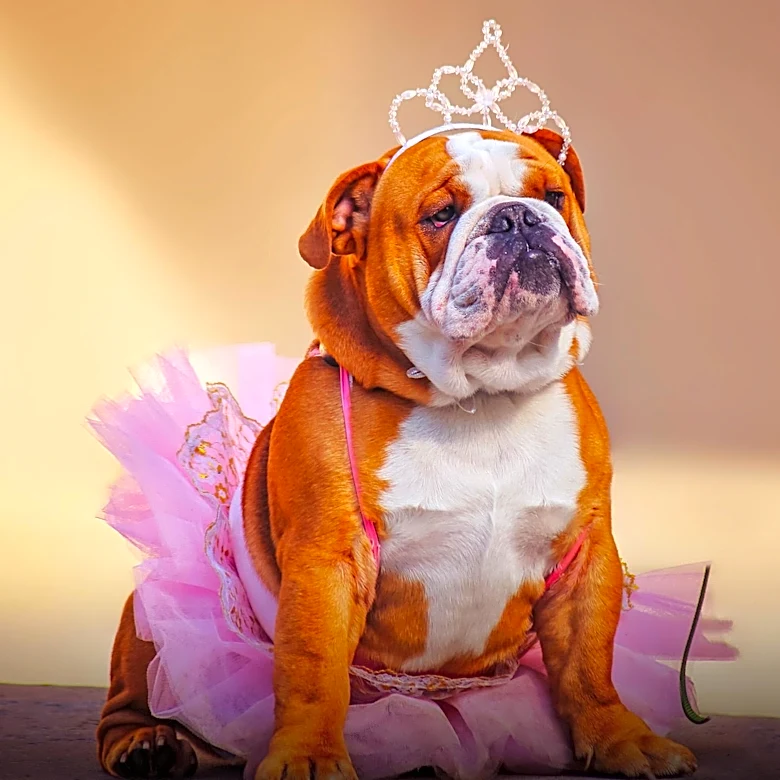





The Bulldog, known also as the English Bulldog or British Bulldog, is a distinctive breed characterized by its stocky build, large head, and prominent facial folds. While celebrated for its gentle and amiable nature as a companion dog, the breed faces significant health challenges directly linked to selective breeding practices focused on achieving its unique appearance. These health concerns raise important questions about the welfare of the breed and the responsibilities
of breeders and owners.
The Impact of Selective Breeding on Health
The modern Bulldog's appearance, with its thick folds of skin, large head, and particularly its relatively flat face and protruding lower jaw, is the result of centuries of selective breeding. While these traits contribute to the breed's iconic look, they have also led to an increased susceptibility to various health problems. One of the most prominent issues is brachycephaly, a condition associated with their short, broad skulls and flattened muzzles. This can lead to breathing difficulties, especially in warm weather or during exercise, making them highly sensitive to heat.
Beyond respiratory issues, Bulldogs are also prone to hip dysplasia, a painful condition affecting the hip joints. The breed's heavy, muscular body and specific skeletal structure contribute to the prevalence of this orthopedic problem. These health concerns are not minor inconveniences; they can significantly impact a Bulldog's quality of life, requiring ongoing veterinary care and potentially limiting their physical activities. The very characteristics that define the Bulldog's appearance are often the root cause of these health vulnerabilities.
Ethical Considerations in Breeding
The severity of these health issues has led to ethical debates and even legal restrictions concerning Bulldog breeding in some regions. For instance, the breeding of Bulldogs is illegal in the Netherlands due to concerns about their quality of life. This highlights a growing awareness and concern within the veterinary and animal welfare communities regarding the consequences of extreme selective breeding for aesthetic traits.
Historically, the Old English Bulldog, from which the modern breed descends, was a more athletic and lighter-boned dog, capable of enduring strenuous activities. A notable event in 1894 saw King Orry, a Bulldog reminiscent of the original type, successfully complete a 20-mile walk, while Dock Leaf, a smaller and heavier-set dog more like modern Bulldogs, collapsed and died. This stark comparison underscores the physical decline in the breed's functional capabilities due to changes in breeding priorities. Today, despite their tough appearance, Bulldogs cannot perform the rigorous tasks their ancestors were bred for, such as running after and being thrown by a bull, nor can they grip effectively with their short muzzles. This functional limitation, coupled with their health predispositions, emphasizes the need for responsible breeding practices that prioritize health and welfare alongside desired physical characteristics.