








Body piercing jewelry, designed specifically for use in body piercings, has a rich and varied history, evolving significantly from its earliest forms to the diverse styles and materials seen today. Initially, the range of jewelry used in modern Western body piercing was quite limited, primarily consisting of circular earrings. However, as body piercing gained traction as a fashion statement, a vast array of specially crafted jewelry became available
to the public, reflecting a growing interest in personal adornment and self-expression. This transformation highlights a journey from simple, functional pieces to intricate designs that cater to a multitude of aesthetic and cultural preferences.
The reasons for wearing body jewelry are as diverse as the jewelry itself. People choose to wear it for fashion, to adhere to cultural traditions, to express religious beliefs, or for personal symbolism. This broad spectrum of motivations underscores the deep personal connection individuals often have with their body adornments. The evolution of body piercing jewelry is not just about changing styles, but also about the expanding understanding of materials and techniques that ensure both safety and aesthetic appeal.
Historical Context and Early Forms of Adornment
While the specific history of body piercing jewelry in the modern Western context began with limited options, the broader practice of body adornment through piercing has ancient roots. Early records, however, rarely discussed the use of piercings or their meaning, making it challenging for archaeologists to fully understand their historical significance. Despite this, jewelry is frequently found among grave goods, though the deterioration of the body makes it difficult to determine precisely how these pieces were worn.
In the 1960s and 1970s, piercing enthusiast Doug Malloy played a significant role in marketing contemporary body piercing by giving it a historical patina. His pamphlet, "Body & Genital Piercing in Brief," popularized several urban legends, such as the idea that Prince Albert invented the piercing named after him to minimize the appearance of a large penis in tight trousers, or that Roman centurions attached their capes to nipple piercings. While these stories were later found to be myths, they illustrate an early attempt to connect modern piercing practices with a perceived historical lineage, even if fabricated.
Expanding Materials and Modern Types of Jewelry
In modern times, the materials used for body piercing jewelry have expanded significantly beyond traditional gold and silver. Surgical steel and titanium are now widely used, alongside niobium, glass, and several kinds of plastics such as PTFE, Tygon, bioplast, and nylon. This diversification of materials allows for greater customization and addresses concerns about allergies and comfort. Beyond these, natural materials like wood, horn, amber, stone, bamboo, silicone, fossilized ivories, tusks, bones, and porcelain are also crafted into body piercing jewelry, offering unique textures and appearances.
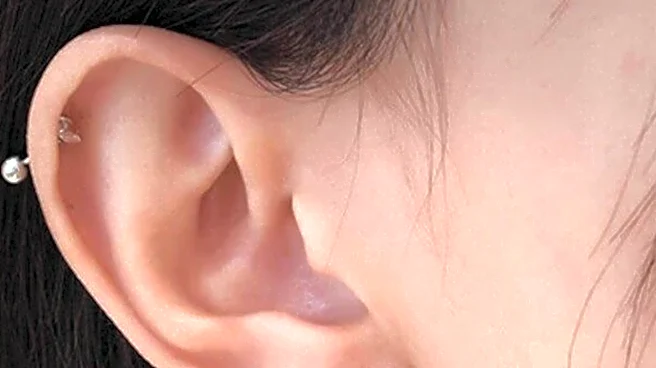
Common types of body jewelry sold today include barbells, captive bead rings, labrets, navel curves, plugs, and spirals. Each type is designed to fit specific pierced sites, ensuring both comfort and proper healing. For instance, a navel curve is specifically shaped for navel piercings, while labrets are often used in lip or ear piercings. The variety in shapes and sizes is crucial for accommodating the wide range of body parts that can be pierced, from earlobes to more complex cartilage piercings.
The Cultural and Personal Significance of Body Jewelry
Body jewelry serves not only as a fashion accessory but also as a powerful tool for cultural expression and personal identity. The choice of jewelry can reflect an individual's aesthetic preferences, their connection to a particular subculture, or their adherence to specific traditions. For example, while earrings are a common form of body modification, the use of specialized body piercing jewelry for other sites like the rook or tragus demonstrates a more deliberate and often symbolic choice.
The art of body piercing and the jewelry associated with it continue to evolve, driven by both innovation in materials and changing social attitudes. From its humble beginnings with circular earrings to the vast array of options available today, body piercing jewelry remains a significant aspect of personal adornment, allowing individuals to express themselves in myriad ways. The ongoing development ensures that there are suitable and safe options for nearly any piercing, reflecting a blend of ancient practices and modern advancements.