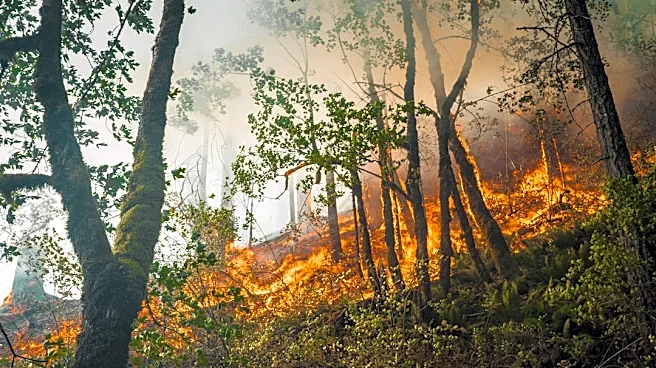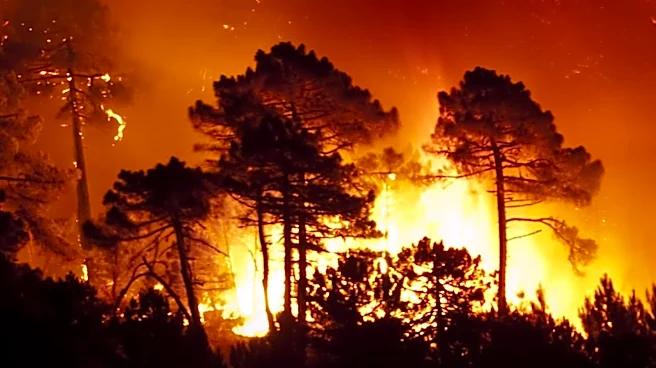




The summer of 2006 saw a significant wildfire event in San Bernardino County, California, known as the Sawtooth Complex Fire. This complex was not a single blaze but a group of interconnected wildfires, specifically the Sawtooth, Waters, and Ridge fires. Ignited by lightning on July 9, 2006, at 8:30 AM PDT, the fire quickly spread through the chaparral landscape located two miles east of Pioneertown. Over its ten-day active period, the Sawtooth Complex would
leave a lasting impact, burning a vast area and causing substantial destruction to both property and the environment.
Ignition and Initial Destruction
The Sawtooth Complex Fire began with a natural cause: a lightning strike. This ignition point on July 9, 2006, set in motion a chain of events that would lead to one of the more destructive fires of the season. The fire rapidly consumed 61,700 acres of land, demonstrating the volatile nature of the chaparral vegetation in the region. The immediate impact on structures was severe, with 50 homes completely destroyed. Beyond residences, the fire also claimed 8 mobile homes, 13 garages, and a staggering 171 outbuildings, highlighting the widespread damage to various types of property.
The destruction extended beyond fixed structures to include numerous vehicles and equipment. The fire consumed 191 cars and pickup trucks, 3 recreational vehicles (R.V.s), 27 trailers, 2 railcars, and 9 tractors. In addition to the total losses, 12 residences sustained damage, further indicating the fire's broad destructive reach. The human toll included 17 minor injuries and one civilian fatality, underscoring the dangers posed by such a rapidly spreading and intense wildfire.
Evacuations and Historic Preservation
As the Sawtooth Complex Fire intensified and spread, authorities issued mandatory evacuation orders for several communities in its path. Residents in Pioneertown, Skyline Ranch, Pipes Canyon, Gamma Gulch, northern Morongo Valley, Burns Canyon, and Rimrock were all directed to leave their homes for safety. These evacuations were crucial for protecting lives as the fire advanced through the landscape.
Pioneertown, a community with unique historical significance due to its origins in 1940s Hollywood film production, faced a direct threat. While some buildings within Pioneertown were indeed destroyed by the fire, efforts and perhaps a degree of luck ensured that the most historic structures were spared. This preservation of key historical sites was a notable outcome amidst the widespread destruction. The Sawtooth Complex Fire continued to burn until July 14, when it merged with the Millard Complex fire, further complicating firefighting efforts. However, by July 18, the combined fire was declared 100% contained, bringing an end to its destructive run.