



Ceres, the smallest dwarf planet in the solar system, has a unique journey through space. Located in the main asteroid belt, its orbital characteristics and path offer insights into the dynamics of celestial bodies. This article examines the orbital journey of Ceres and its significance within the solar system.
Orbital Characteristics
Ceres orbits the Sun at an average distance of 2.8 astronomical units (AU), equivalent to 257 million miles. This makes it the closest dwarf
planet to the Sun, situated between the orbits of Mars and Jupiter. Ceres's orbit is characterized by an eccentricity of 0.07976017, indicating a slightly elliptical path.
The orbital period of Ceres is approximately 4.599 years, or 1679.819 days. During this time, Ceres completes a full orbit around the Sun, experiencing varying distances from the Sun at aphelion and perihelion. These orbital characteristics contribute to the understanding of Ceres's movement and its interactions with other celestial bodies.
Synodic Period and Visibility
Ceres's apparent magnitude varies as it moves through its orbit, ranging from 6.7 to 9.3. This variation is most pronounced at opposition, when Ceres is closest to Earth. The synodic period, the time between successive oppositions, is approximately 15 to 16 months.
Despite its size, Ceres remains too dim to be seen with the naked eye, except under extremely dark skies. This makes observing Ceres a challenge, requiring advanced telescopes to capture its surface features and track its movement through space.
The Dawn Mission's Contributions
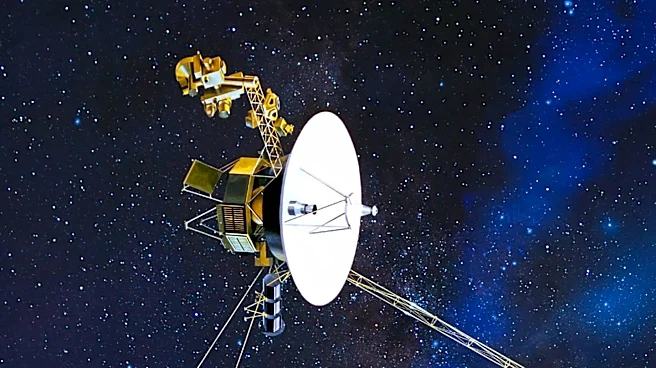
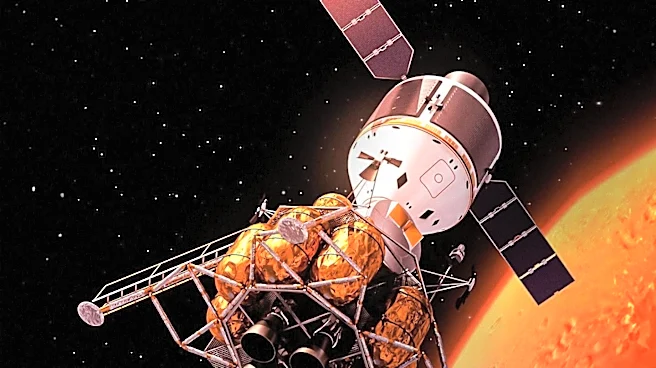
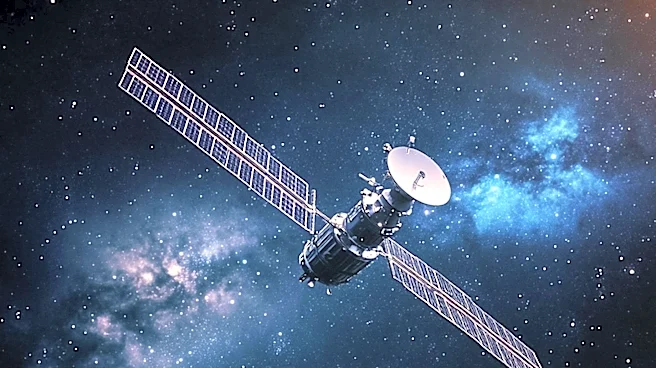
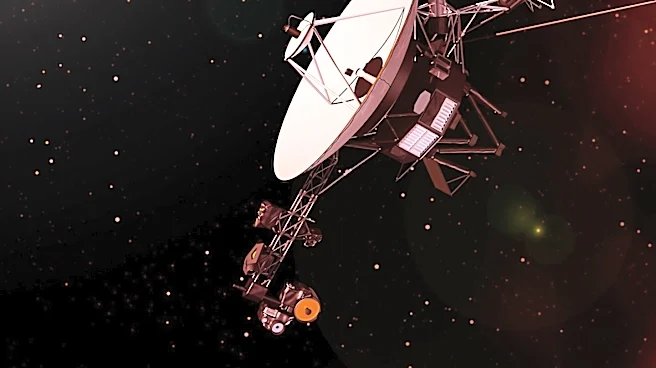
The Dawn spacecraft has played a crucial role in enhancing the understanding of Ceres's orbital journey. Launched by NASA in 2007, Dawn was tasked with exploring Ceres and Vesta, another large object in the asteroid belt. In 2015, Dawn became the first spacecraft to visit a dwarf planet, providing valuable data on Ceres's orbit and surface.
Dawn's observations have confirmed the orbital characteristics of Ceres, offering insights into its path and interactions within the asteroid belt. The mission has contributed to a deeper understanding of Ceres's journey through space, highlighting its unique status as a dwarf planet.