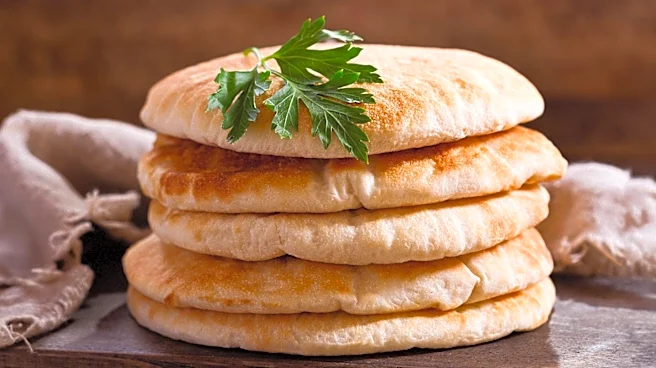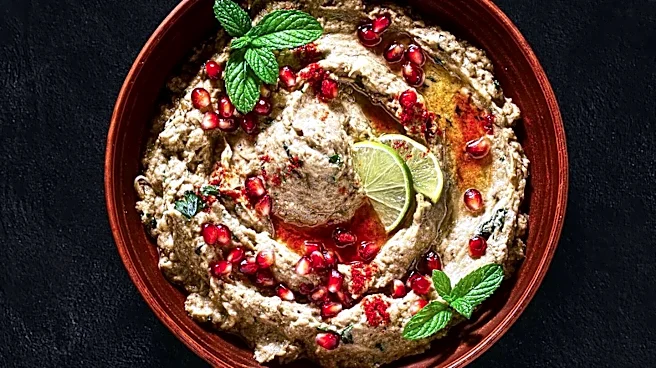


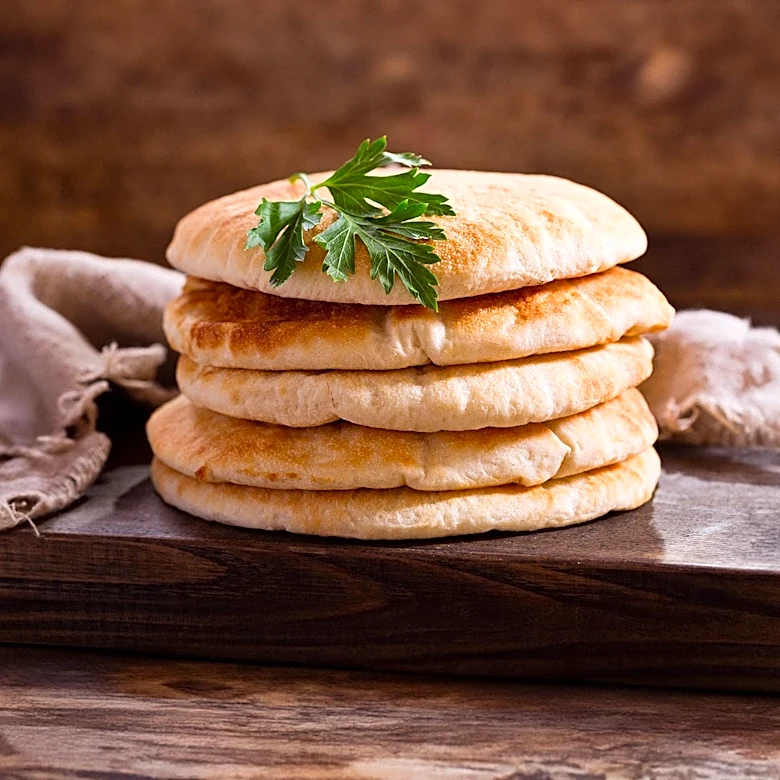




Baba ghanoush, a popular Levantine appetizer, is a dish that transcends simple ingredients to become a cultural staple across various regions. At its core, this flavorful preparation consists of finely chopped roasted eggplant, olive oil, lemon juice, various seasonings, and tahini, a sesame paste. Often served as a dip with pita bread, it is a typical *meze*, or starter, in regional cuisines. The dish's name itself carries a certain charm; *bābā*
in Arabic is a term of endearment for 'father,' while *Ġannūj* could be a personal name. This combination is sometimes interpreted as 'father of coquetry,' 'indulged/pampered/flirtatious daddy,' or 'spoiled old daddy,' though it's not definitively known if *bābā* refers to an actual person or the eggplant itself.
The preparation method often involves roasting or broiling the eggplant directly over an open flame before peeling. This technique is crucial for achieving a soft pulp and imparting a distinctive smoky flavor, sometimes even to the point where the skin is nearly burned. After roasting, the pulp is separated from the skin and may be pressed or salted to remove excess liquid, ensuring the desired texture and consistency for the final dish. This meticulous process highlights the care and tradition embedded in creating authentic baba ghanoush.
Regional Interpretations and Culinary Diversity
The versatility of baba ghanoush is evident in its numerous regional variations. While the core ingredients of eggplant, tahini, garlic, and lemon generally remain consistent, different areas introduce unique spices and accompaniments. For instance, Eastern Arabian cuisine offers versions that are spiced with coriander and cumin, distinguishing them from their Levantine counterparts. These variations might also be minimally spiced and garnished with thinly chopped parsley or cilantro leaves, adding a fresh, aromatic touch.
In Syria, a notable adaptation involves mixing the dish with sheep cheese, which lends a creamier texture and a richer flavor profile. This addition transforms the traditional dip into a more substantial offering. Across the border in Turkey, the dish is known as *babaganuş* or *abugannuş*, reflecting linguistic and culinary adaptations within the broader region. These diverse preparations underscore how a single dish can evolve and integrate into local culinary traditions while retaining its fundamental identity.
Cultural Integration and Historical Significance
Baba ghanoush has also played a significant role in the cultural and culinary landscape of certain regions. In Israel, for example, the dish became an integral part of the cuisine during the austerity period between 1949 and 1959. Adopted from the neighboring Arab countries, it served as a valuable meat substitute during times of economic hardship. Its popularity endured even after the economic crisis subsided, solidifying its place in Israeli culinary tradition.
Food writer and historian Gil Marks notes that baba ghanoush eventually became a "cultural icon" in Israel, commonly used for snacks or to serve unexpected guests. This demonstrates how food can not only sustain a population but also become deeply intertwined with its social customs and identity. The enduring appeal of baba ghanoush, from its humble origins as a dip to its status as a cultural symbol, highlights its timeless relevance and adaptability across various communities and historical contexts.