



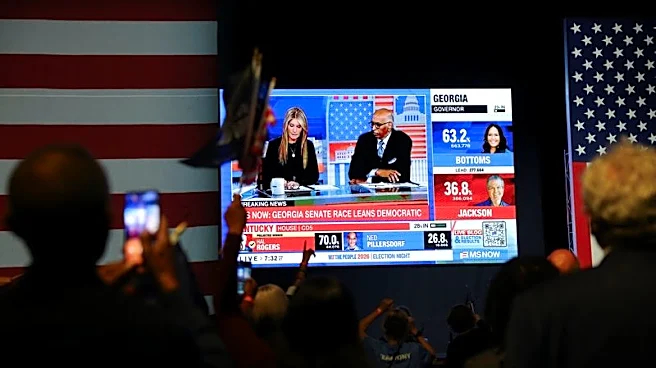



"Meet the Press," America's longest-running television program, has maintained its relevance since its debut on November 6, 1947, largely due to its adaptable yet consistent format. Specializing in in-depth interviews with leaders across politics, economics, foreign policy, and public affairs, the show has evolved from a simple press conference to a comprehensive platform for news analysis. While the duration and specific segments have changed over
the decades, the core mission of providing a forum for critical discussion and insight has remained central to its identity.
From Half-Hour Press Conference to Hour-Long Dialogue
The program's initial format was straightforward: a 30-minute press conference featuring a single guest and a panel of journalists who would pose questions. This direct approach allowed for focused interrogation of public figures. The very first guest, James Farley, a prominent figure in the New Deal Administration, set the precedent for the caliber of individuals the show would host. This half-hour structure remained largely unchanged for the first 45 years of the program's history, establishing a familiar rhythm for its Sunday morning audience.
A significant shift occurred on September 20, 1992, when "Meet the Press" expanded to a full 60 minutes. This doubling of its runtime allowed for a more expansive exploration of topics and a deeper dive into the issues of the day. The hour-long format provided the flexibility to include additional segments, moving beyond the strict press conference model to incorporate more varied forms of discussion and analysis, which became crucial as the media landscape grew more complex.
Modern Elements: One-on-One and Roundtable Discussions
The contemporary format of "Meet the Press" typically features an extended one-on-one interview with the host. This segment allows for a comprehensive and often challenging dialogue with a key leader, providing viewers with direct insights into their perspectives on current events. These interviews are a hallmark of the program, often generating headlines and shaping national conversations. The show's specialization in these high-profile interviews underscores its role as a significant platform for political discourse.
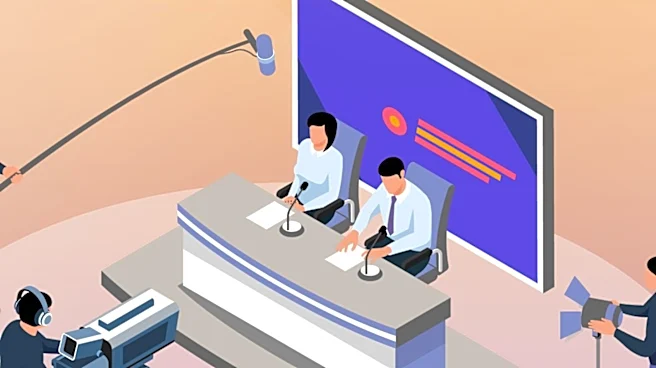
Following the main interview, the program often transitions into a roundtable discussion or a one-on-two interview. These segments frequently involve figures with differing viewpoints, such as Congressional members from opposing sides of the aisle or political commentators. This dynamic setup allows for a broader range of opinions and analysis, providing viewers with a more complete picture of complex issues. The inclusion of panel discussions, sometimes featuring a segment like the "Data Download" which uses a touchscreen for in-depth factual examinations, further enhances the show's analytical depth. This blend of direct interviews and multi-perspective analysis ensures that "Meet the Press" continues to offer a comprehensive look at the week's most important public affairs.
Broadcast and Syndication
"Meet the Press" airs Sundays from 9:00 a.m. to 10:00 a.m. ET on NBC, with a slightly later broadcast time in New York and Washington. The program's reach extends beyond its primary television slot through syndication by Westwood One to various radio stations across the United States. It is also replayed on C-SPAN Radio as part of its Sunday morning talk show lineup. This widespread availability ensures that its interviews and discussions are accessible to a broad national audience, reinforcing its status as a key forum for public affairs.