




The first closed mission of Biosphere 2, a groundbreaking experiment in creating a self-sustaining ecosystem, ran from September 26, 1991, to September 26, 1993. This ambitious project aimed to be the second fully self-sufficient biosphere, following Earth itself, which was dubbed "Biosphere 1." Eight crew members, including medical doctor and researcher Roy Walford, Jane Poynter, Taber MacCallum, Mark Nelson, Sally Silverstone, Abigail Alling, Mark Van
Thillo, and Linda Leigh, sealed themselves inside the massive structure in Oracle, Arizona. Their mission was to live and work within this artificial environment, testing the viability of closed ecological systems and gathering knowledge that could be crucial for future space colonization.
Initial Setup and Design
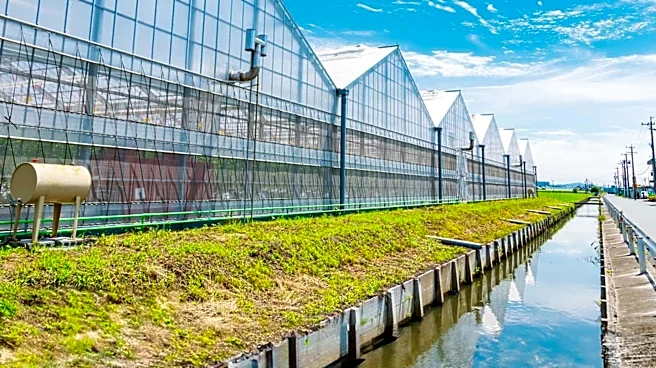
Construction of Biosphere 2 took place between 1987 and 1991, spearheaded by Space Biosphere Ventures. The facility was designed to explore the intricate web of interactions within life systems, featuring seven distinct biome areas. These included a 20,000-square-foot rainforest, a 9,100-square-foot ocean with a coral reef, a 4,800-square-foot mangrove wetlands, a 14,000-square-foot savannah grassland, and a 15,000-square-foot fog desert. Additionally, there were two anthropogenic biomes: a 27,000-square-foot agricultural system and a human habitat complete with living spaces, laboratories, and workshops. The design emphasized a materially closed ecological system, meaning that all resources, except for solar energy, were intended to be recycled within the structure. The crew's diet was planned to be primarily vegetarian, supplemented by small amounts of milk, meat, and eggs from animals raised inside.
Unexpected Challenges and Adaptations
Despite meticulous planning, the first mission encountered numerous problems. One of the most significant issues was a steady decline in oxygen levels. Starting at 20.9%, the oxygen concentration dropped to 14.5% after 16 months, equivalent to the oxygen availability at an elevation of 13,390 feet. This decline caused symptoms like sleep apnea and fatigue among the crew. It was later discovered that carbon dioxide, produced by respiration, was reacting with exposed concrete inside Biosphere 2 to form calcium carbonate, effectively sequestering both carbon and oxygen. To address the critical oxygen shortage, injections of oxygen were made in January and August 1993.
Food scarcity also became a major concern. The yields from the agricultural system were lower than anticipated, leading to a calorie-restricted diet for the crew. By November 1992, the Biospherians resorted to eating seed stocks that had not been grown inside the facility. This constant struggle for food, combined with the low oxygen levels, contributed to low morale among the crew. Other ecological challenges included unanticipated condensation making the "desert" biome too wet, population explosions of greenhouse ants and cockroaches, and morning glories overgrowing the rainforest area, blocking out other plants. The crew had to actively intervene to control invasive species, acting as "keystone predators" to preserve biodiversity.
Internal Dynamics and External Scrutiny
The isolated environment also led to significant group dynamic tensions among the resident crew. Before the mission was halfway over, the group reportedly split into two factions, with intimate friends becoming "implacable enemies." These internal conflicts were exacerbated by external politics and a power struggle over the project's management and direction. The Scientific Advisory Committee (SAC) faced its own challenges, with a portion resigning in February 1993 due to disagreements on how the science should proceed. Critics from outside the project questioned the scientific integrity of the experiment, particularly after an injured crew member left and returned, allegedly bringing in new supplies beyond plastic bags, and when oxygen was injected into the system. However, supporters argued that Biosphere 2 was an experiment designed to reveal the complexities of ecological systems, and unexpected problems were part of the learning process. Despite these difficulties, the crew successfully completed their two-year mission, providing invaluable data and insights into the delicate balance required for closed ecological systems.