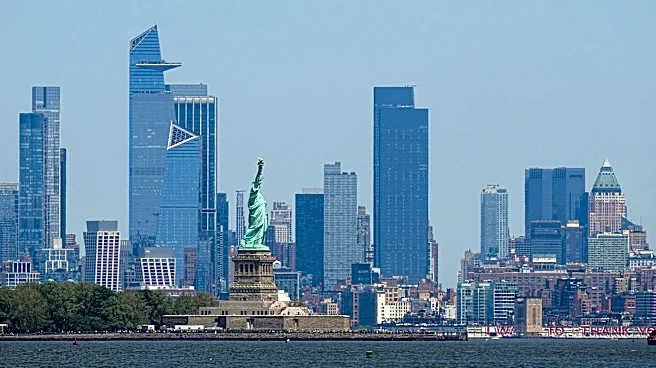









The Statue of Liberty is not just a monumental sculpture; it is a rich tapestry of symbolism and design choices that reflect the ideals of freedom and enlightenment. Designed by Auguste Bartholdi, the statue incorporates various elements that convey its message. This article explores the symbolic aspects and design decisions that make the Statue of Liberty a powerful emblem of liberty.
The Figure of Liberty
At the heart of the Statue of Liberty is the figure of a woman
representing Liberty. Bartholdi chose a female form to embody the nurturing and protective qualities associated with freedom. The statue's pose, with one arm raised holding a torch and the other holding a tablet, signifies enlightenment and knowledge. The torch represents the light of reason guiding the way, while the tablet bears the date of the American Declaration of Independence, linking the statue to the founding principles of the United States.
The statue's face is described as having "classical but grave and calm" features, reflecting the seriousness and dignity of the concept of liberty. Bartholdi's design ensures that the statue's expression conveys a sense of strength and resolve, qualities essential to the idea of freedom.
Material and Construction
The choice of materials for the Statue of Liberty was both practical and symbolic. The statue is clad in copper, a material chosen for its durability and ability to withstand the elements. Architect Eugène Viollet-le-Duc initially proposed the use of copper, and after his death, Gustave Eiffel took over the engineering aspects, designing a metal framework to support the copper sheets.
The use of copper also has symbolic significance. Over time, the copper has developed a green patina, which has become synonymous with the statue's image. This transformation symbolizes the enduring nature of liberty, evolving yet remaining steadfast.
The Pedestal and Setting
The pedestal of the Statue of Liberty is an integral part of its design, doubling the statue's height and enhancing its presence. The pedestal was funded through American efforts, highlighting the collaborative spirit behind the statue's creation. Its design complements the statue, providing a solid foundation that underscores the stability and permanence of liberty.
The statue's location on Liberty Island in New York Harbor further enhances its symbolism. Positioned at the gateway to America, the statue welcomes immigrants and visitors, embodying the nation's values of freedom and opportunity. Its placement ensures that the statue is visible to all who enter the harbor, serving as a beacon of hope and inspiration.
The Statue of Liberty's design and symbolism continue to resonate with people around the world. Its elements are carefully chosen to convey a message of enlightenment, freedom, and enduring strength, making it a timeless icon.