




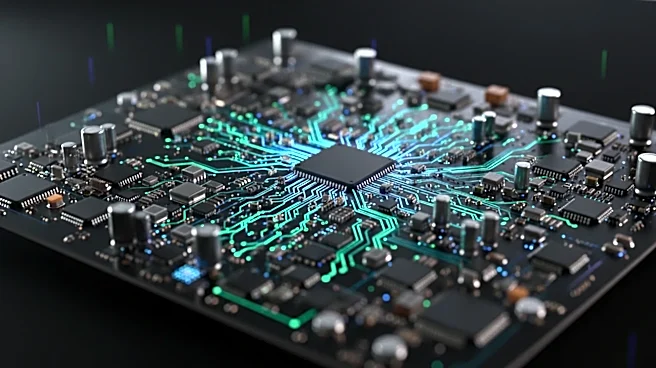


Engine control units (ECUs) are vital components in modern vehicles, responsible for managing various subsystems to ensure optimal performance and efficiency. These digital devices have revolutionized the automotive industry by providing precise control over engine functions such as fuel injection and ignition. This article delves into the role of ECUs in contemporary vehicles and their impact on performance and efficiency.
Managing Engine Functions
In modern vehicles, ECUs
are tasked with controlling critical engine functions, including fuel injection and ignition systems. By precisely managing these subsystems, ECUs ensure that the engine operates efficiently and effectively. The integration of digital electronics allows ECUs to process complex algorithms, enabling them to adapt to changing conditions and optimize engine performance.
One of the key advantages of digital ECUs is their ability to improve fuel efficiency. By accurately controlling the amount of fuel injected into the engine, these units help reduce fuel consumption and emissions. This is particularly important in today's automotive industry, where manufacturers are under pressure to meet stringent environmental regulations. ECUs play a crucial role in achieving these goals by enhancing the overall efficiency of the engine.
Enhancing Vehicle Performance
Beyond fuel efficiency, ECUs also contribute to the overall performance of modern vehicles. They enable advanced features such as adaptive cruise control and electronic stability control, which enhance the driving experience and improve safety. By continuously monitoring engine parameters, ECUs can make real-time adjustments to optimize performance and ensure smooth operation.
The ability of ECUs to process large amounts of data quickly and accurately is a testament to their importance in modern vehicles. They are capable of analyzing information from various sensors and making instantaneous decisions to adjust engine functions. This level of precision and responsiveness is essential for maintaining optimal performance and ensuring a comfortable driving experience.
Future Developments
As technology continues to advance, the role of ECUs in modern vehicles is expected to expand further. Manufacturers are investing in research and development to enhance the capabilities of these units, with a focus on reducing emissions and increasing fuel efficiency. The integration of advanced technologies such as artificial intelligence and machine learning is likely to play a significant role in the future of ECUs.
In conclusion, engine control units are indispensable components in modern vehicles, responsible for managing critical engine functions and enhancing performance and efficiency. As the automotive industry continues to evolve, ECUs will remain at the forefront of technological advancements, driving innovation and shaping the future of vehicle engineering.