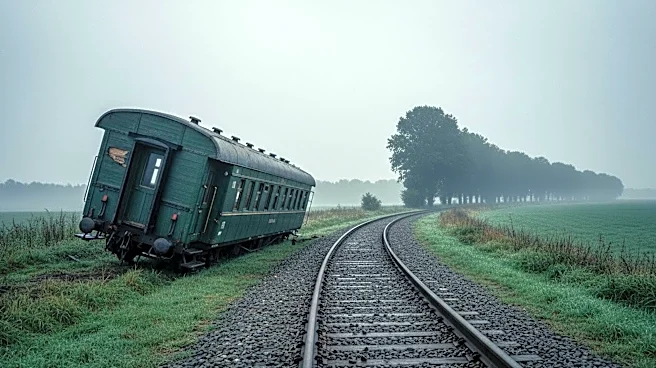







The Great Train Wreck of 1918 is a stark reminder of the catastrophic consequences that can arise from human error. This tragic event, which occurred on July 9, 1918, in Nashville, Tennessee, resulted in the deaths of at least 101 people and injuries to 171 others. The collision between two passenger trains operated by the Nashville, Chattanooga and St. Louis Railway was primarily attributed to a series of human mistakes. This article examines the errors
that led to the disaster and the lessons learned in its aftermath.
Miscommunication and Mistaken Identity
The collision was set in motion by a critical miscommunication. Train No. 4, departing Nashville for Memphis, was supposed to yield to Train No. 1, which was running late from Memphis to Nashville. However, the conductor of Train No. 4 mistakenly identified a passing switch engine as Train No. 1. This error was not caught by the rest of the crew, who either shared the same mistake or failed to verify the train's identity.
Compounding the issue was the crew's neglect to check the train register at Shops Junction, a crucial step in confirming whether Train No. 1 had passed. This oversight allowed Train No. 4 to proceed onto the single-track section known as "Dutchman's Curve," directly into the path of the oncoming Train No. 1. The lack of proper verification and communication between the crew members played a significant role in the ensuing disaster.
The Role of the Interlocking Tower
Another factor contributing to the collision was the failure at the interlocking tower at Shops Junction. The tower operator, J. S. Johnson, displayed a clear signal, indicating that the track ahead was clear. However, Johnson noticed that there was no record of Train No. 1 having passed. Despite his attempts to alert the crew of Train No. 4 by sounding the emergency whistle, the warning went unheard.
The reliance on visual signals and the absence of a fail-safe communication system between the tower and the train crew highlighted a significant vulnerability in the railway's operational procedures. This gap in communication underscored the need for more robust safety measures to prevent similar incidents in the future.
Lessons Learned and Safety Improvements
The Great Train Wreck of 1918 prompted a reevaluation of safety protocols within the railway industry. The disaster underscored the importance of accurate communication and the need for technological advancements to enhance safety. In the years following the wreck, efforts were made to improve signal systems and train crew training to prevent human error from leading to such tragic outcomes.
While the memory of the Great Train Wreck of 1918 remains a painful chapter in U.S. rail history, it also serves as a catalyst for ongoing improvements in railway safety. The lessons learned from this tragedy continue to inform modern practices, ensuring that the mistakes of the past are not repeated.