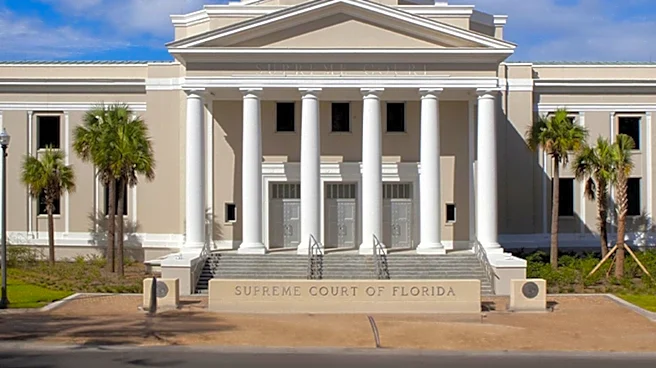






The 1974 Supreme Court case United States v. Nixon was a pivotal moment in American legal history, particularly concerning the limits of executive privilege. This landmark decision required President Richard Nixon to release tape recordings related to the Watergate scandal, fundamentally shaping the boundaries of presidential power. The case underscored the principle that no one, not even the President, is above the law, and it established a crucial
precedent for the judicial process in the United States.
The Case and Its Background
United States v. Nixon arose from the Watergate scandal, a major political scandal that began with a break-in at the Democratic National Committee headquarters in 1972. The scandal eventually implicated several members of the Nixon administration. As the investigation unfolded, Special Prosecutor Leon Jaworski subpoenaed tape recordings of conversations held in the Oval Office, suspecting they contained evidence of wrongdoing. President Nixon, however, refused to release the tapes, citing executive privilege.
The case quickly escalated to the Supreme Court, where Nixon's legal team argued that the matter was an internal executive branch dispute and should not be subject to judicial resolution. They claimed that the President had an absolute executive privilege to protect communications between high government officials and their advisors. This argument was a test of the limits of executive power and the separation of powers doctrine.
The Supreme Court's Decision
The Supreme Court's decision in United States v. Nixon was unanimous, with all eight participating justices ruling against the President. The Court held that while executive privilege is a legitimate power, it is not absolute. The justices determined that the need for evidence in a criminal trial outweighed the President's generalized interest in confidentiality. The Court emphasized that the principle of due process and the fair administration of justice could not be overridden by a broad claim of executive privilege.
Chief Justice Warren Burger, writing for the Court, stated that neither the doctrine of separation of powers nor the need for confidentiality could sustain an absolute, unqualified presidential privilege. This decision marked a significant limitation on presidential power, reinforcing the idea that the President is not immune from judicial process.
The Aftermath and Legacy
Following the Supreme Court's decision, President Nixon complied with the order and released the tapes. The contents of the recordings provided evidence of Nixon's involvement in the Watergate cover-up, leading to his resignation on August 9, 1974, just sixteen days after the Court's ruling. The case set a precedent for future disputes involving executive privilege, establishing that the President's power is not above the law.
United States v. Nixon remains a cornerstone in American constitutional law, illustrating the judiciary's role in checking executive power. It serves as a reminder of the importance of accountability and transparency in government, ensuring that the principles of justice and due process are upheld.