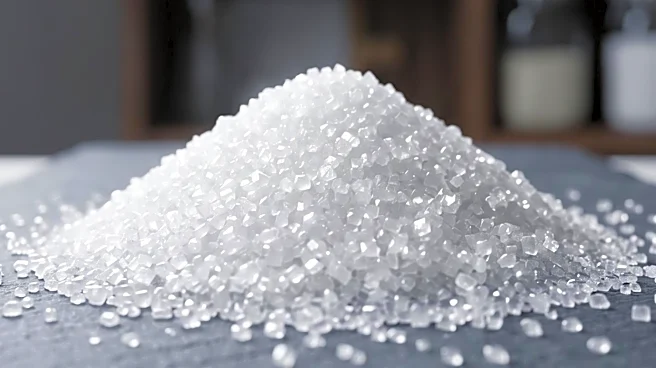








Magnesium sulfate is a chemical compound known by its formula MgSO4, a white crystalline solid that readily dissolves in water. While the chemical name might sound complex, many people are familiar with its most common hydrated form: the heptahydrate, MgSO4·7H2O, universally known as Epsom salt. This household chemical has a long history of diverse uses, ranging from soothing bath soaks to addressing various health concerns. Its accessibility and
perceived benefits have made it a staple in many homes, embodying the practical applications of a fundamental chemical compound.
The Identity of Epsom Salt
Epsom salt is essentially magnesium sulfate heptahydrate, meaning each molecule of magnesium sulfate is associated with seven molecules of water. This specific hydration level gives it the properties that make it so useful in household and personal care applications. It is a naturally occurring mineral, found in dry lake beds and other natural sources, and is also a significant component of water from certain springs. The name "Epsom salt" itself is derived from the town of Epsom in Surrey, England, where it was originally discovered in the bitter saline springs.While magnesium sulfate exists in various hydrated forms (with 'n' values between 1 and 11), the heptahydrate is by far the most recognized and utilized in consumer products. Its white crystalline appearance and solubility in water are key characteristics that contribute to its widespread use, particularly in bath preparations where it dissolves to create a mineral-rich solution.
Traditional and Therapeutic Uses
One of the most popular uses of Epsom salt is in mineral baths, especially foot baths, aimed at soothing sore feet and muscles. The inclusion of Epsom salt in bathwater is partly cosmetic; the increase in ionic strength helps prevent some of the temporary skin wrinkling that would occur with plain water. While many claims exist regarding its ability to soothe muscle pain and hasten recovery from injury, these specific benefits have not been scientifically confirmed. However, the practice remains a popular home remedy for relaxation and comfort.Beyond external applications, Epsom salt has internal uses as well. It is commonly used as a laxative when taken orally, owing to the poor absorption of its sulfate component in the digestive system. In lower doses, it can serve as an oral source of magnesium. Historically, magnesium sulfate was also employed as a treatment for lead poisoning, particularly in veterinary medicine during the early to mid-20th century. It was believed that the compound would precipitate ingested lead, allowing it to be purged from the digestive system. This application was widespread on farms where Epsom salt was already available for agricultural purposes.
Beyond the Bathtub: Broader Applications
While Epsom salt is primarily known for its household and personal care uses, its underlying chemical, magnesium sulfate, has much broader applications. In agriculture, magnesium sulfate is crucial for correcting magnesium deficiencies in soil, which is vital for plant health and photosynthesis. The monohydrate form is often preferred for this purpose. Industrially, anhydrous magnesium sulfate acts as a desiccant in organic synthesis, effectively removing water from chemical reactions.In clinical settings, magnesium sulfate is a vital medication used to treat magnesium deficiency, manage severe asthma exacerbations, and prevent seizures in conditions like eclampsia. Its versatility underscores that while Epsom salt is a familiar household item, it represents just one facet of a chemical compound with significant roles across medicine, agriculture, and industry.