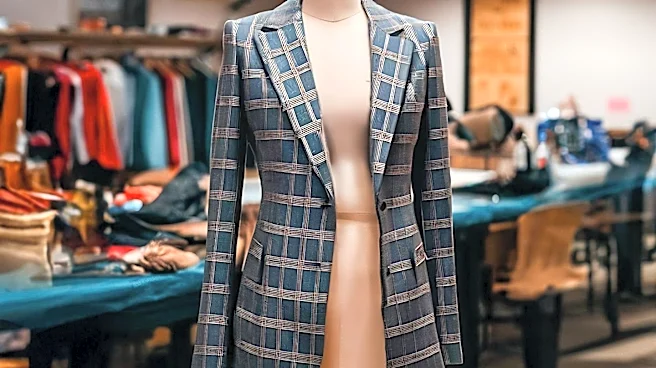






A dress form is a fundamental three-dimensional model of the human torso, serving as an indispensable tool for fitting clothing during the design and sewing processes. This model allows designers and sewers to visualize how a garment will drape and fit on a body, enabling them to make necessary adjustments and alterations before the clothing is worn by an actual person. Dress forms are available in a wide array of sizes and shapes, catering to nearly
every type of clothing imaginable. While standard-sized dress forms are crucial for pattern making, adjustable versions offer the flexibility to tailor garments precisely to an individual's unique measurements, ensuring a custom fit.
Understanding the Basic Functionality
The primary purpose of a dress form is to provide a stable, body-like structure upon which garments can be constructed and refined. When a piece of clothing is placed on a dress form, it immediately reveals how the fabric behaves, how seams align, and how the overall silhouette will appear. This visual feedback is critical for identifying areas that need to be taken in, let out, or reshaped. The ability to work with a three-dimensional representation of the body helps in achieving the desired aesthetic and functional qualities of a garment, from the initial design concept to the final fitting.Dress forms are often colloquially referred to as a "Judy" for female forms and a "James" for male forms, highlighting their anthropomorphic role in the creative process. This naming convention underscores the close relationship between the inanimate form and the human body it represents, emphasizing its utility in bringing clothing designs to life. The use of a dress form streamlines the fitting process, making it more efficient and precise than fitting directly on a person, especially during the early stages of garment development.
Specific Measurement Requirements for Dress Forms
To ensure accuracy and functionality, all dress forms must adhere to a comprehensive set of specific measurements. These include critical dimensions such as shoulders across the front and back, the base of the neck, center front and back of the neck to the waist, and measurements around the chest, waist, and hips. Other essential measurements include the shoulder seam, armscye, and the underarm to waist measurement, often referred to as the "side seam."For women's dress forms, additional specific measurements are required, such as the distance from the center of the shoulder seam to the bust point, bust point to waist, bust point to bust point, and around the underbust. Men's dress forms have their own unique requirements, including the center of the shoulder seam to the waist front, and are typically designed to be slightly larger than the model to allow for "breathing room." Designers also consider the locations of a model's tattoos and piercings, marking these embellishments on the dress form to decide whether they should be hidden or exhibited in the final garment.
The Preparatory Structure: Mold Creation
The creation of a dress form begins with a meticulous preparatory phase focused on mold creation. The key to producing high-quality, accurate dress forms lies in achieving exact measurements and capturing the natural shape of a prototype. This prototype can be developed through traditional handmade methods, such as creating a vest with a zipper that allows for adjustable padding using polyester batting, or through modern digital techniques utilizing 3D software. Once the prototype is finalized, the goal is to create two-sided fiber molds that precisely replicate its form.These molds are then used to construct dress forms that are identical to the prototype, ensuring they possess all the necessary functions for fitting purposes. This precise replication is crucial for maintaining consistency and accuracy in garment design and production. The detailed process of mold creation underscores the technical precision required in manufacturing these essential tools for the fashion industry, ensuring that each dress form accurately represents the human body for which clothing is being designed.