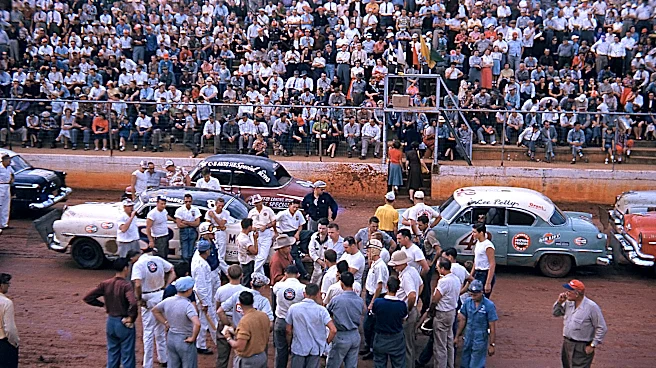



Richard Petty's journey in motorsports is a compelling narrative of evolution, beginning not as a driver, but as a mechanic, and culminating in his status as an unparalleled icon of NASCAR. Born in 1937, Petty was immersed in the world of racing from a young age, thanks to his father, Lee Petty, a prominent figure in early stock car racing and the winner of the inaugural Daytona 500. However, Richard's path to the driver's seat was initially restricted;
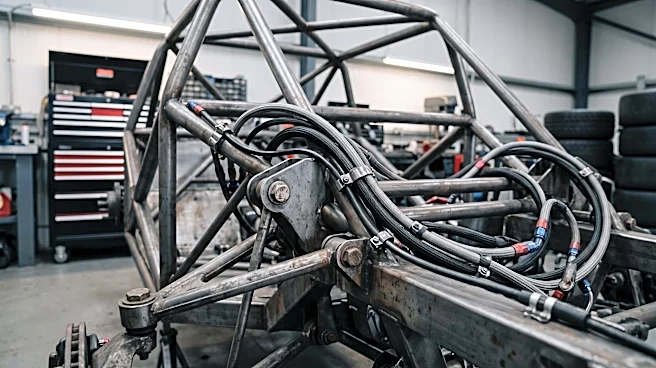
his father insisted he work as a mechanic on the team until he turned 21. This foundational experience, working hands-on with race cars, undoubtedly provided him with an intimate understanding of vehicle dynamics and preparation, skills that would later serve him well on the track.
Early Career and Ascendancy to "The King"
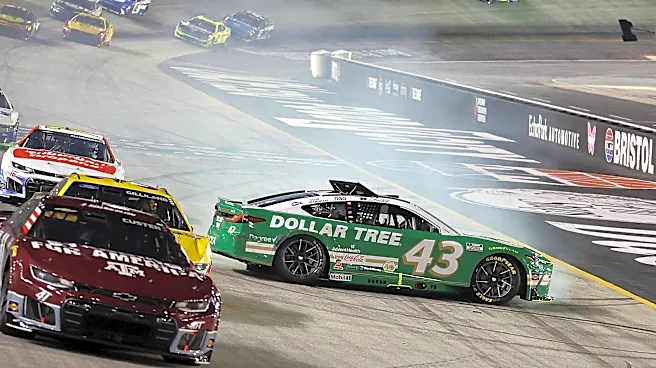
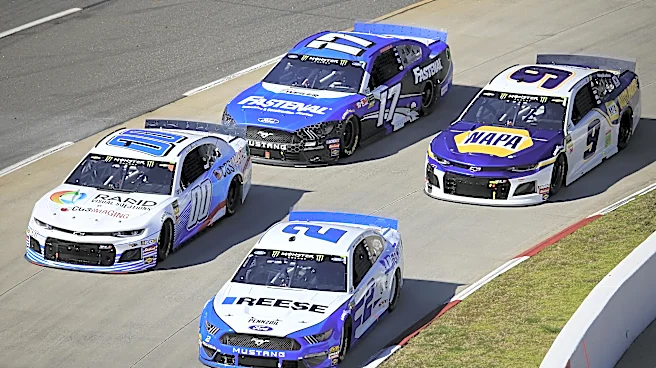
Petty's professional racing career officially began in 1958, marking his transition from the garage to the cockpit. His talent was quickly evident, earning him the Rookie of the Year title in 1959. This early success was a harbinger of the dominance that would define his career. Over the next three and a half decades, Petty would transform from a promising young driver into "The King of Stock Car Racing." His distinctive number 43 car became synonymous with victory, as he accumulated an astonishing 200 wins and 123 pole positions. He also secured seven championship titles, a record shared only with Dale Earnhardt, and an unprecedented seven Daytona 500 victories.
His financial achievements also marked a significant evolution in the sport. Petty was the first stock car racer to surpass one million dollars in career earnings, a testament to his success and the growing commercial viability of NASCAR. This financial milestone reflected not only his personal triumphs but also the increasing professionalization of stock car racing during his active years. His consistent performance and numerous records solidified his reputation as a formidable competitor and a true legend of the sport.
Post-Racing Life: Team Owner, Public Figure, and Entrepreneur
Richard Petty's evolution did not cease with his retirement from active racing in 1992. Instead, he transitioned into new roles, maintaining his deep connection to NASCAR and expanding his influence. He became a team owner, leading Petty Enterprises, a team that continued the family's racing legacy. His son, Kyle Petty, competed for the team, making over 750 starts since his debut in 1979. The Petty family's involvement even extended to a fourth generation, with Adam Petty, who tragically passed away in a practice accident in 2000.
Beyond team ownership, Petty remained a prominent public figure. His iconic image, featuring wide sunglasses and a feathered cowboy hat, became a recognizable trademark. He was honored with the Medal of Freedom, the highest civilian award in the United States, recognizing his broader impact. Furthermore, Petty ventured into entrepreneurship with the Richard Petty Driving Experience, an initiative that allows the public to drive race cars and experience racing conditions at various tracks nationwide. This endeavor showcases his continued dedication to sharing the thrill of motorsports and engaging with fans, demonstrating a remarkable evolution from a hands-on mechanic to a multifaceted motorsports icon.