





In Indian philosophy, the Sanskrit term "Tattva" signifies fundamental elements or principles of reality. It can be translated as "thatness," "principle," "reality," or "truth." These tattvas are considered the building blocks that constitute human experience and the universe itself. Different schools of Indian thought, such as Samkhya, Shaivism, Jainism, and Vaishnavism, each offer their unique interpretations and enumerations of these essential
principles, providing diverse frameworks for understanding existence, the soul, and the absolute.
The Foundational Role of Tattvas
Tattvas serve as basic concepts crucial for comprehending the nature of the absolute, individual souls, and the universe within Samkhya and Shaivite philosophies. They are utilized to explain the structure and origin of the cosmos. While Samkhya philosophy identifies 25 tattvas, later Shaivite philosophies expand this number to 36. These principles are typically categorized into three main groups: *shuddha* (pure tattvas), *shuddhāshuddha* (pure-impure tattvas), and *ashuddha* (impure tattvas). The pure tattvas delve into the internal aspects of the Absolute, the pure-impure tattvas describe the soul and its inherent limitations, and the impure tattvas encompass the universe and living beings that support the soul's existence.
Samkhya philosophy, for instance, views the universe as composed of two eternal realities: Purusha and Prakriti, making it a dualist philosophy. Purusha represents the center of consciousness, while Prakriti is the origin of all material existence. The Samkhya system of 25 tattvas focuses on the tangible aspects of creation, positing Prakriti as the initial tattva and the source of the world of becoming. Prakriti is seen as pure potentiality that progressively evolves into 24 additional tattvas or principles.
Shaivism's Elaborate System of 36 Tattvas
Shaivite philosophies significantly elaborate on the concept of tattvas, extending the Samkhya framework. They consider the 24 *ātma tattvas* from Samkhya as the *ashuddha* (impure) tattvas and then add *shuddhāshuddha* (pure-impure) and *shuddha* (pure) tattvas, resulting in a total of 36 distinct tattvas. In this system, Purusha is classified among the *shuddhāshuddha* tattvas. These 36 Shaivite tattvas are also divided into the three aforementioned groups: pure, pure-impure, and impure.
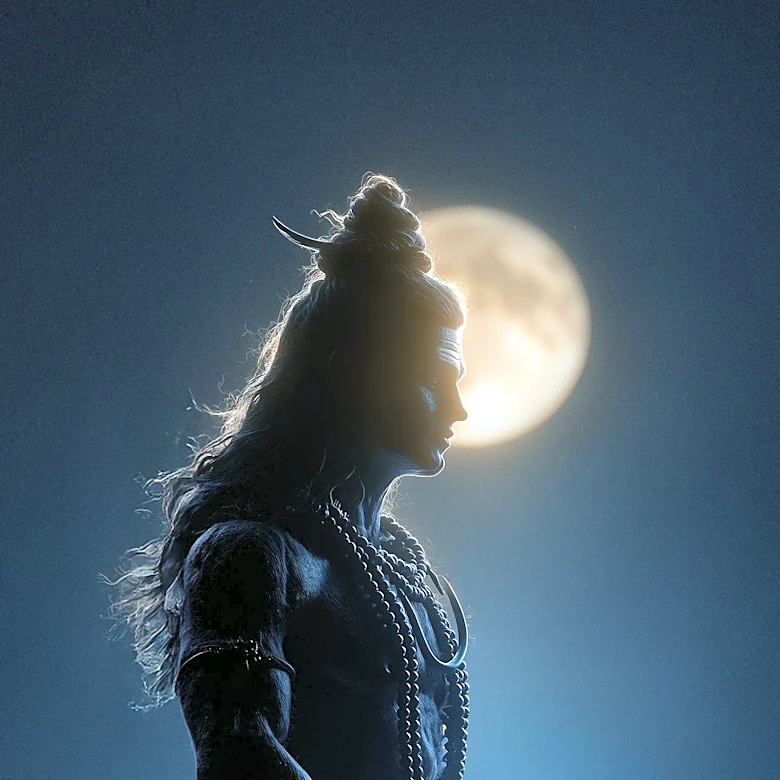
According to early Shaivite philosophies, Parameshwara or Parashiva is considered the ultimate reality or Parabrahman, the singular form from which everything originates. Kashmir Shaivism, a nondualistic monism school, explains that Paramshiva manifests himself through a process of descent, moving from Paramashiva to *jiva* (the individual soul) via these 36 tattvas. This manifestation is seen as a *līlā*, or divine play, driven by the vibrant creative energy of Parashiva, known as Spanda.
Tattvas in Jainism and Vaishnavism
Jain philosophy presents its own set of fundamental principles, or tattvas, which constitute reality. Depending on the tradition, Jainism identifies either seven or nine tattvas. These include *jīva* (the soul, characterized by consciousness) and *ajīva* (the non-soul). Other key tattvas in Jainism are *āśrava* (the influx of karmic matter into the soul), *bandha* (the bondage of the soul by karma), *saṃvara* (the stoppage of new karma), *nirjarā* (the gradual dissociation of existing karma), and *mokṣa* (liberation from karma). The knowledge of these realities is considered essential for the soul's liberation.
In Vaishnavism, particularly within Puranic literature, tattva often refers to specific categories of beings or energies. These include *Viṣṇu-tattva*, representing the Supreme God Shri Vishnu as the causative factor of all things; *Kṛṣṇa-tattva*, referring to any incarnation or expansion of Shri Vishnu as Shri Krishna; and *Śakti-Tattva*, which encompasses the multifarious energies of Shri Vishnu, including his internal potencies like Yogamaya and Prakriti. Additionally, *Jīva-tattva* denotes the various living souls, and *Śiva-tattva* describes Shri Shiva as a unique creation of Vishnu, distinct from both *jiva* and other gods in his qualities and powers. These diverse interpretations highlight the pervasive and foundational nature of tattvas across different Indian philosophical traditions.