The wedding of Prince Harry and Meghan Markle, held on May 19, 2018, at St George's Chapel, Windsor Castle, was a global event marked by meticulous planning and significant public interest. From the initial
engagement announcement to the final celebrations, every detail was carefully orchestrated, reflecting both royal tradition and the couple's personal touches. The event drew attention not only for its romantic significance but also for its scale, cost, and the unique elements incorporated into the ceremony and festivities.
The Engagement and Initial Preparations
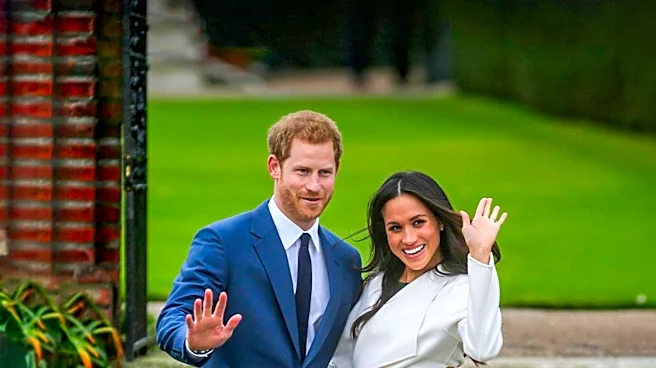
The engagement of Prince Harry and Meghan Markle was publicly announced at Kensington Palace's Sunken Gardens. For the announcement, Markle wore a knee-length emerald green dress by Italian label P.A.R.O.S.H. and a white trench coat by Canadian brand Line the Label. The coat proved so popular that the brand's website crashed hours after the announcement due to high demand. To commemorate the upcoming wedding, the Royal Mint produced an official UK £5 coin featuring the couple in profile, and Royal Mail issued a set of commemorative postage stamps showcasing their official engagement photographs. These early preparations set the stage for a wedding that would be both traditional and modern.
The Venue and Financial Aspects
St George's Chapel, Windsor Castle, served as the historic venue for the wedding ceremony. The choice of location underscored the royal heritage of the event. The overall cost of the wedding was substantial, estimated at £32 million. A significant portion of this, approximately £30 million, was allocated to security measures, which were deemed essential for an event of such high profile. The Royal Family covered the core costs of the wedding, including the church service, music, flowers, decorations, and the reception. However, the security costs were borne by the British taxpayer, a common practice for major royal events. This division of costs highlighted the blend of private celebration and public interest inherent in a royal wedding.
Guest List and Charitable Focus
The guest list for the wedding was extensive and diverse, reflecting both the couple's personal connections and their commitment to public service. Alongside friends, family, and relations of the bride and groom, approximately 2,000 members of the public were invited to the grounds of Windsor Castle. This included 500 members of the Royal Household, 1,200 inspiring citizens and young people selected by Lord Lieutenants across the country, 200 guests from charity organizations closely associated with the couple, and 100 local schoolchildren. This inclusive approach demonstrated the couple's desire to share their special day with a broader community. In lieu of traditional wedding gifts, Prince Harry and Meghan Markle requested that guests consider making donations to several charities they supported, further emphasizing their philanthropic interests.
Wedding Attire and Royal Traditions
The wedding attire for both the bride and groom incorporated significant details. Meghan Markle's wedding dress was designed by Clare Waight Keller for Givenchy, featuring a boat neckline and three-quarter-length sleeves. Her veil was particularly notable, embroidered with flora representing the 53 countries of the Commonwealth, along with forget-me-nots, a favorite flower of Prince Harry's late mother, Diana, Princess of Wales, and California poppies, symbolizing Markle's home state. Prince Harry wore the frockcoat uniform of the Blues and Royals, a regiment in which he served. The page boys' uniforms were miniature versions of the Blues and Royals dress uniform. These sartorial choices blended personal tributes with military and royal traditions, creating a visually rich and symbolically meaningful presentation for the ceremony.
The Wedding Service and Celebrations
The wedding service itself was a blend of traditional Anglican liturgy and contemporary elements. The music included classical pieces and gospel music, reflecting the couple's diverse backgrounds. Following the ceremony, a reception was held, hosted by Queen Elizabeth II at St George's Hall, Windsor Castle. Later, a more intimate evening reception was hosted by Prince Charles at Frogmore House. These celebrations provided opportunities for both formal and informal gatherings, allowing the couple to celebrate with their wider circle and then with closer family and friends. The entire event was a carefully choreographed spectacle that captivated audiences worldwide, showcasing the enduring appeal of royal traditions while also hinting at a more modern approach to monarchy.