







The Marihuana Tax Act of 1937 marked a pivotal moment in the history of drug regulation in the United States. Introduced by Representative Robert L. Doughton and heavily influenced by Harry J. Anslinger, the first director of the Federal Bureau of Narcotics, the Act imposed federal control over marijuana through taxation. This legislation effectively criminalized marijuana use and cultivation, setting the stage for future drug policies and the eventual
war on drugs.
The Origins of the Marihuana Tax Act
The Marihuana Tax Act emerged during a time of changing social conditions in the early 20th century. With the prohibition of alcohol under the Eighteenth Amendment, marijuana use began to rise, particularly along the Mexican border where it was introduced by migrant laborers. Anslinger, who became the director of the Federal Bureau of Narcotics, played a crucial role in shaping public perception of marijuana. He strategically used the term "marihuana," a Spanish Mexican word for cannabis, to associate the drug with Mexican immigrants, tapping into racial prejudices to gain support for the Act.
Anslinger's efforts were bolstered by media mogul William Randolph Hearst, who owned a chain of newspapers and had financial interests in making marijuana illegal. Hearst's newspapers published sensationalized stories that exaggerated the dangers of marijuana, contributing to the demonization of the drug. Despite the lack of evidence of a crisis, Anslinger relied on these distorted stories to push the Marihuana Tax Act through Congress.
The Impact on Hemp and Cannabis
The Marihuana Tax Act had far-reaching consequences for the hemp industry, which was unrelated to narcotics production. By imposing heavy taxes on marijuana, the Act rendered hemp almost worthless, effectively wiping out the industry within a few years. This was a significant blow to the fiber industry, as hemp had been widely used for its industrial applications.
The Act also diminished the legitimate medicinal uses of cannabis, which was commonly known as cannabis in medical contexts. By using the term "marihuana" in the language of the bill, the Act shifted public perception and legal status of the plant, overshadowing its medicinal properties.
Legacy and Legal Challenges
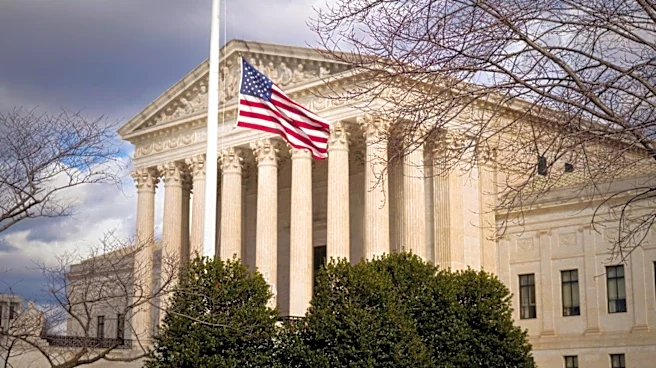
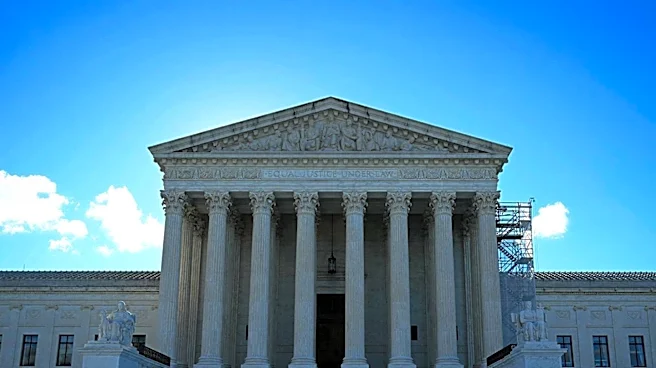
The Marihuana Tax Act of 1937 set a precedent for future drug policies in the United States. It served as a precursor to the war on drugs that was later intensified during the Ronald Reagan and George H. W. Bush administrations. However, the Act faced legal challenges, most notably in the case of Leary v. United States in 1969, where the Supreme Court declared the Act unconstitutional for violating the Fifth Amendment.
Following the Supreme Court decision, Congress replaced the Marihuana Tax Act with the Controlled Substances Act of 1970, continuing the prohibition of certain drugs. The legacy of the Marihuana Tax Act remains significant, as it shaped the trajectory of U.S. drug policy and influenced public perception of marijuana for decades to come.