






While nylon quickly became a sensation, particularly in hosiery, its initial widespread use as a pure fabric revealed several practical drawbacks. Consumers soon discovered that pure nylon stockings, despite their initial promise, were quite fragile; the threads often unraveled lengthwise, leading to the dreaded "runs." Beyond durability, pure nylon textiles also presented comfort issues. The material's lack of absorbency meant that moisture tended
to stay trapped near the skin in hot or humid conditions, rather than being wicked away. This led to discomfort, and some users reported that nylon fabric could be itchy, prone to clinging, and even generate static electricity that caused sparks. These early challenges necessitated further innovation to ensure nylon's long-term success and broader application.
Unraveling the Problems of Pure Nylon
The issues with pure nylon extended beyond mere inconvenience. The fragility of stockings, characterized by their tendency to run, was a significant concern for consumers who had been led to believe in nylon's superior strength. The discomfort caused by nylon's non-absorbent nature meant that it wasn't always suitable for all climates or activities, limiting its versatility. Furthermore, the buildup of static electricity was not just annoying but could also be startling, with reports of sparks.
Scientists also identified that under certain conditions, nylon could degrade, leading to perforation or shredding of stockings. This degradation was attributed to acid hydrolysis, with air pollution, such as the London smog of 1952 and poor air quality in cities like New York and Los Angeles, being cited as contributing factors. These problems highlighted that while nylon was revolutionary, its pure form had limitations that needed to be addressed for it to truly become the "miracle fabric" it was initially envisioned to be.
The Blending Solution and New Possibilities
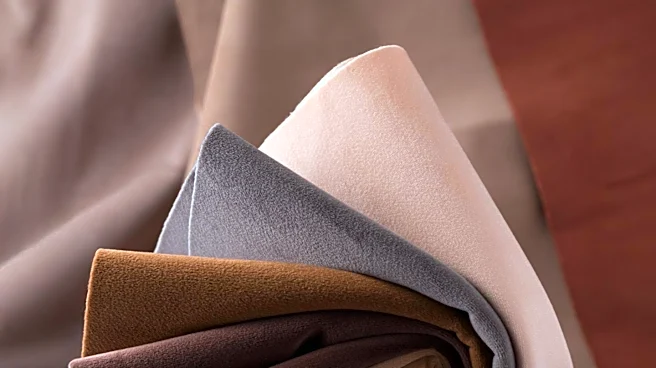
To overcome the inherent problems of pure nylon fabric, a crucial solution emerged: blending nylon with other existing fibers or polymers. This innovative approach involved combining nylon with materials like cotton, polyester, and spandex. The development of these blended fabrics marked a significant turning point, as they retained nylon's desirable properties—such as elasticity, durability, and dyeability—while mitigating its weaknesses. This strategy also helped keep clothing prices low and affordable, making blended fabrics accessible to a wider market.
The textile industry quickly embraced this blending trend. By 1950, the New York Quartermaster Procurement Agency (NYQMPA), responsible for developing and testing textiles for the Army and Navy, was already committed to creating a wool-nylon blend. The year 1951 was even referred to as the "Year of the blending of the fibres" by America's Textile Reporter, showcasing the widespread adoption of this approach. Fabric blends like "Bunara" (wool-rabbit-nylon) and "Casmet" (wool-nylon-fur) emerged, demonstrating the creative possibilities. In Britain, the Royal Society for the Encouragement of Arts, Manufactures and Commerce dedicated its 198th session's inaugural address in November 1951 to the topic of textile blending, underscoring its importance.
Fashion's Embrace of Blended Fabrics
DuPont's Fabric Development Department played a pivotal role in promoting these new blends by strategically targeting French fashion designers. They supplied designers with fabric samples, leading to a significant impact on high fashion. By 1955, renowned designers such as Coco Chanel, Jean Patou, and Christian Dior were showcasing gowns created with DuPont fibers. Fashion photographer Horst P. Horst was even commissioned to document their use of these innovative fabrics. American Fabrics magazine credited these blends with providing "creative possibilities and new ideas for fashions which had been hitherto undreamed of," solidifying the role of blended nylon fabrics in shaping modern apparel and design.