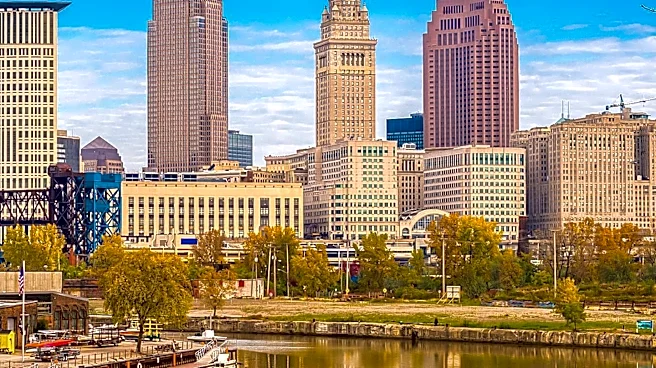









The Cuyahoga River, flowing through Northeast Ohio, is infamous for its history of catching fire due to industrial pollution. The most significant of these fires occurred on June 22, 1969, and became a pivotal moment in the environmental movement in the United States. This article delves into the impact of the 1969 Cuyahoga River fire and its role in shaping environmental policy.
The 1969 Fire and Its Immediate Aftermath
The Cuyahoga River fire of 1969 was not the first time the river had
caught fire, but it was the event that captured national attention. The fire was caused by a spark from a passing rail car igniting an oil slick on the river's surface. Although the fire itself caused only about $50,000 in damage, it became a symbol of the environmental degradation plaguing urban waterways.
Local media initially gave little attention to the fire, focusing more on the damage to a nearby railroad bridge. However, the incident gained national prominence when Time magazine published an article featuring a dramatic photo of a previous, larger fire on the river. The article described the Cuyahoga as a river that "oozes rather than flows" and highlighted the broader issue of water pollution in the United States.
The Birth of the Environmental Movement
The 1969 Cuyahoga River fire, along with the Santa Barbara oil spill earlier that year, served as a catalyst for the burgeoning environmental movement. The public outcry over these environmental disasters led to increased awareness and demand for action to protect natural resources. The fire became a rallying point for environmental activists and policymakers, emphasizing the need for comprehensive environmental regulations.
In response to the growing environmental concerns, the United States government took significant steps to address pollution. The Environmental Protection Agency (EPA) was established in 1970, tasked with enforcing environmental laws and regulations. The Clean Water Act, passed in 1972, set ambitious goals for eliminating pollution in the nation's waterways and improving water quality.
Long-Term Impact and Legacy
The Cuyahoga River fire's legacy extends beyond the immediate policy changes it inspired. It marked a turning point in how Americans viewed the environment and the need for sustainable practices. The fire highlighted the interconnectedness of urban development, industrial activities, and environmental health, prompting a shift towards more sustainable practices.
In the years following the fire, significant efforts were made to clean up the Cuyahoga River. The Ohio Environmental Protection Agency (OEPA) and local governments worked to reduce pollution and restore the river's health. By 2019, the river was recognized for its environmental resurgence, and in 2025, a portion of it was designated a National Water Trail.
The Cuyahoga River fire remains a powerful symbol of the environmental movement, reminding us of the importance of protecting natural resources and the potential for positive change through collective action. Its impact on environmental policy continues to be felt today, as it laid the groundwork for ongoing efforts to preserve and restore the nation's waterways.