





Illinois, a state situated in the Midwestern United States, presents a fascinating study in urban diversity, particularly when examining its municipalities. With a population of 12,812,508 inhabitants as of the 2020 United States census, it ranks as the 6th most populous state. Despite its significant population, Illinois is the 24th largest by land area, spanning 55,499.0 square miles (143,742 km2). This combination of population and land area creates
a varied municipal landscape, ranging from sprawling metropolises to tiny communities, each with its own unique characteristics in terms of size and resident count.
The Giants: Chicago's Dominance in Population and Land
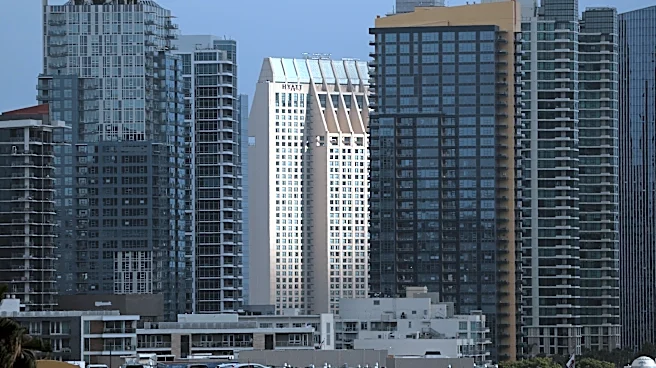
At the forefront of Illinois' municipal landscape is Chicago, a city that stands out for its sheer scale. It holds the distinction of being the most populous city in the state, boasting a substantial 2,746,388 residents. This makes Chicago a significant urban center not just within Illinois, but across the nation. Beyond its impressive population, Chicago also claims the title of the largest municipality by land area, encompassing a vast 227.73 square miles (589.8 km2). This extensive footprint allows for a diverse urban environment, from its iconic skyline to its numerous neighborhoods.
Chicago's prominence is further highlighted by its role as the state's primary economic and cultural hub. Its large population and expansive land area contribute to its complex infrastructure and diverse community. The city's scale is a defining feature of Illinois' overall demographic profile, drawing a stark contrast with the state's smaller communities. The presence of such a large city influences regional planning, transportation, and resource allocation across Illinois.
The Smallest: Valley City and Irwin's Modest Footprints
In stark contrast to Chicago's grandeur, Illinois is also home to municipalities at the opposite end of the spectrum. Valley City, for instance, is noted as the least populous municipality in the state, with a mere 14 residents. This tiny community represents the quiet, rural side of Illinois, where life operates on a much smaller scale compared to its urban counterparts. Such small populations often mean a close-knit community structure and a different set of challenges and opportunities.
Similarly, in terms of land area, Irwin holds the record for the smallest municipality, covering just 0.045 square miles (0.12 km2). This minuscule size suggests a highly concentrated settlement, perhaps a small village or town center. The existence of municipalities like Valley City and Irwin underscores the wide range of settlement patterns found within Illinois, from dense urban cores to sparsely populated rural areas. These extremes illustrate the diverse geographical and demographic fabric that makes up the state.
A State of 1,300 Municipalities
Illinois is divided into 102 counties and, as of 2020, comprises 1,300 municipalities. This large number of distinct entities, which include cities, towns, and villages, further emphasizes the varied nature of the state's local governance and community structures. The presence of so many municipalities, each with its own boundaries and local administration, reflects a complex system of local government designed to serve a wide array of communities.
The sheer volume of municipalities, from the largest to the smallest, contributes to the unique character of Illinois. This intricate network of cities, towns, and villages, each with its own identity, forms the backbone of the state's social and economic life. The contrast between the most populous and least populous, and the largest and smallest by land area, paints a comprehensive picture of Illinois' diverse urban and rural landscapes.