








Bouldering, a dynamic form of rock climbing, requires a unique set of techniques and equipment to ensure both safety and success. Unlike other climbing disciplines, bouldering is performed without ropes or harnesses, making the climber's skill and gear crucial components of the sport. This article delves into the essential techniques and equipment that define bouldering, providing insight into what makes this climbing style both challenging and rewarding.
Essential Techniques in Bouldering
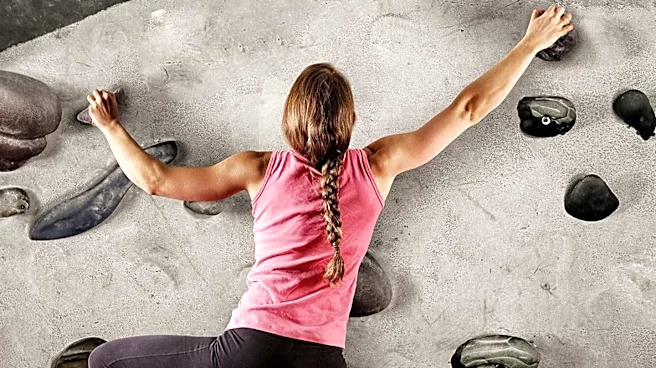
Bouldering is known for its dynamic movements, which can be categorized as either static or dynamic. Static movements involve slow, controlled actions where the climber maintains contact with the boulder using three limbs while reaching for a new hold. This technique emphasizes balance and precision, allowing climbers to conserve energy and reduce the risk of falling.
Dynamic movements, on the other hand, rely on the climber's momentum to reach holds that are otherwise difficult to secure. These movements require a high level of power and accuracy, as a misstep can lead to a fall. The ability to switch between static and dynamic techniques is a hallmark of skilled boulderers, who must adapt their approach based on the specific challenges of each problem.
The Role of Equipment in Bouldering
While bouldering can be performed with minimal equipment, the gear used plays a significant role in enhancing performance and safety. Climbing shoes are perhaps the most critical piece of equipment, designed to fit tightly and provide excellent grip on small footholds. The shoes' construction allows climbers to execute precise footwork, a key component of successful bouldering.
Chalk is another essential item, used to keep hands dry and improve grip on holds. Climbers typically carry chalk in a bag that can be tied around the waist or placed on the ground, allowing for easy access during climbs. Brushes are also used to clean holds, removing excess chalk and debris to ensure optimal grip.
Safety Measures and Injury Prevention
Despite the absence of ropes, bouldering can be a safe activity when proper precautions are taken. Crash pads, or bouldering mats, are foam cushions placed on the ground to protect climbers from injury in the event of a fall. These pads are strategically positioned to provide a soft landing, reducing the risk of sprains and fractures.
Spotters, individuals who assist climbers by guiding them toward the crash pads during a fall, also play a crucial role in bouldering safety. Additionally, climbers are trained to use falling techniques similar to those in gymnastics, spreading the impact across the body to minimize injury.
Bouldering's combination of technique and equipment makes it a unique and engaging sport. By mastering the necessary skills and utilizing the right gear, climbers can safely enjoy the challenges and rewards that bouldering offers.