






The Drake Well Museum and Park, located in Cherrytree Township, Pennsylvania, serves as a vital institution dedicated to chronicling the birth of the American oil industry. This museum is centered around the reconstructed Drake Well, the site where Colonel Edwin Drake successfully drilled the first commercial oil well in 1859. More than just a historical marker, the museum actively collects and preserves artifacts related to this transformative period,
offering visitors a comprehensive look at the origins of an industry that profoundly shaped the modern world.
A Historic Site and Educational Hub
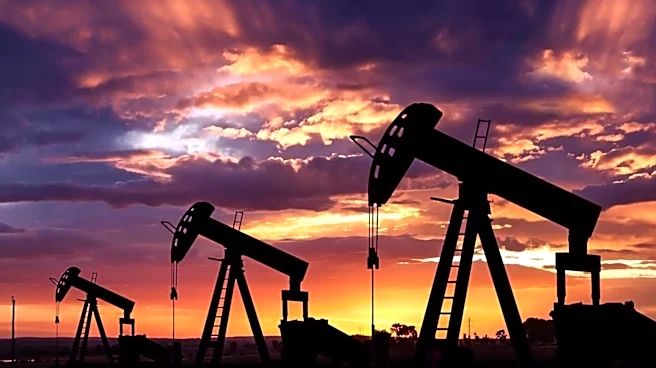
Situated approximately 3 miles south of Titusville, between Pennsylvania Routes 8 and 27, the Drake Well Museum is recognized as a historic site and is accredited by the American Alliance of Museums. Its primary feature is a meticulous reconstruction of Edwin Drake's original oil well, alongside working oil field equipment from the era. This allows visitors to visualize and understand the practical application of salt drilling techniques adapted for petroleum extraction, a method pioneered by Drake.
The museum's facilities extend beyond outdoor exhibits. It houses a substantial library containing over 2,500 titles, more than 1,000 cubic feet of manuscript material, and an extensive photographic collection with over 10,800 images. These resources provide invaluable insights for researchers and enthusiasts alike, detailing the early days of oil exploration and its impact on the region and beyond.
Engaging Programs and Nearby Attractions
To further engage the public, the Drake Well Museum offers a variety of programs throughout the year. These include the Fall Gas-Up engine show, which showcases historical machinery, and a spring Heritage Lecture Series that delves into various aspects of the oil industry's history. Heritage School Tours are also provided, offering educational experiences for younger generations. A unique and popular offering is the Nitroglycerine Show, which likely demonstrates historical aspects of oil field operations.
Visitor services at the museum are designed to enhance the learning experience, featuring an orientation film, guided tours, and a museum store. The museum's location also places it near other significant attractions, such as Oil Creek State Park and the Oil Creek and Titusville Railroad. These nearby sites offer additional opportunities to explore the natural and historical landscape that was so dramatically altered by the oil boom. The museum effectively connects the past to the present, illustrating how the seemingly simple act of drilling a well in 1859 led to an industrial revolution.