

The Cathedral of Speed
First and foremost, the race is at the Indianapolis Motor Speedway (IMS). This isn't just another track; it's arguably the most famous motorsport venue in the world. For decades, it hosted only one race a year: the Indianapolis 500. When NASCAR arrived
in 1994, it was a monumental moment, breaking nearly a century of tradition. Driving onto the same asphalt as legends like A.J. Foyt and Mario Andretti carries a weight that simply doesn't exist elsewhere. The sheer scale and history of IMS give the Brickyard an aura of prestige that elevates it beyond a typical Sunday race, making a win here a career-defining achievement.
An Unforgiving, Unconventional Layout
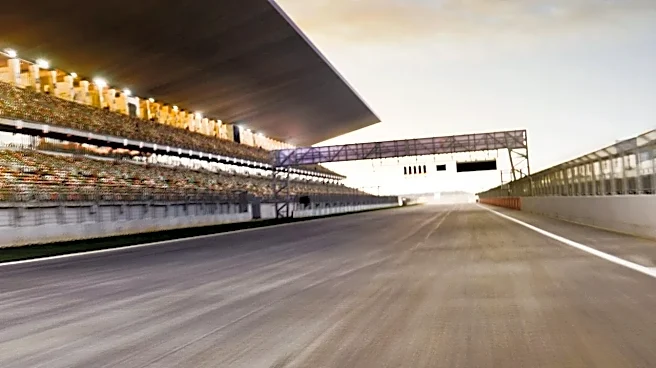
IMS was built for slender, open-wheel Indy cars, not 3,400-pound stock cars. Its design is a unique challenge: two massive half-mile straightaways, two shorter straights, and four flat, 90-degree corners banked at a mere nine degrees. This is the antithesis of NASCAR’s high-banked ovals like Daytona or Talladega, where momentum is king. At Indy, drivers slam on the brakes and fight for grip through tight, flat turns before accelerating down the long straights. This rectangular layout is notoriously hard on equipment, especially brakes and engines, and demands a perfect setup. It’s a rhythm-based track that punishes aggression, making passing difficult and placing a premium on pit strategy and flawless execution.
A Tradition Born from Pavement and Pucker
You can’t talk about the Brickyard without mentioning its most famous tradition: kissing the bricks. That iconic yard of original bricks at the start-finish line is all that remains of the track's 1909 surface. After winning in 1996, driver Dale Jarrett and his crew chief, Todd Parrott, spontaneously decided to walk out, kneel, and kiss the historic bricks to honor the speedway. The act stuck. Now, every winner—from NASCAR to IndyCar—celebrates by puckering up to the pavement. It’s a modern tradition, but one that has become a powerful symbol of conquering one of racing’s greatest challenges.
The Crown Jewel Status
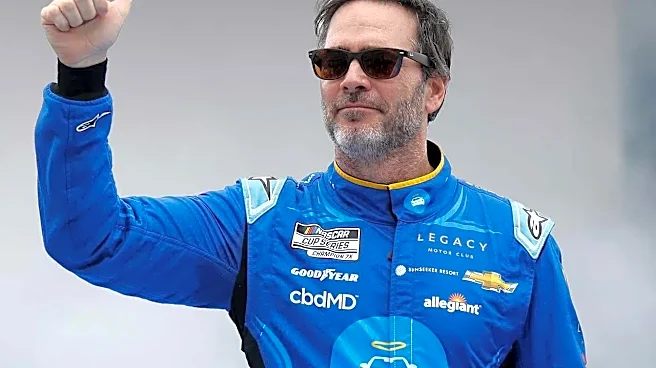
While the Daytona 500 is NASCAR's Super Bowl, the Brickyard 400 is its Masters. From its inception, the event drew massive crowds and offered one of the richest purses in the sport. A win here puts a driver in an elite club. Only top-tier talent tends to succeed at Indy; a look at the winners list reads like a Hall of Fame induction class, with names like Jeff Gordon, Dale Earnhardt, Tony Stewart, and Jimmie Johnson dominating the event's history. This self-reinforcing cycle of prestige means that teams pour immense resources into their Indianapolis effort, treating it with a reverence reserved for only a handful of races all year.
A Welcome Return to What Matters
For three years, from 2021 to 2023, the event controversially moved from the famed 2.5-mile oval to the infield road course. While the racing was action-packed, it lacked the soul and historical weight of the original. The move was met with resistance from many fans and drivers who felt the essence of the Brickyard had been lost. In 2024, NASCAR returned the race to the oval, a decision that was widely celebrated and resulted in a significant boost in attendance and viewership. This recent history underscores what truly makes the race special: the unique, unforgiving challenge of wrestling a stock car around a track that was never meant for it.