


Go Beyond the Box Score
The final stat line of a football game is a summary, but it often hides the full story. A receiver might have only 30 yards, but did he get ten targets and just miss a long touchdown? A running back might have a quiet day, but did he handle every single
touch inside the 5-yard line? Play-by-play data answers these questions. It provides the context behind the production, detailing every snap, target, carry, and penalty. This information allows you to focus on what is most predictive of future fantasy success: opportunity. By analyzing a player's usage—how and when they are used—you can spot trends before they show up in the final fantasy point totals.
Snap Counts and Target Share: The Foundation of Opportunity
The first rule of fantasy football is that a player can't score points from the sideline. Snap share, or the percentage of offensive plays a player is on the field for, is the most basic measure of opportunity. But being on the field is only half the battle. For receivers and tight ends, target share is one of the most stable and predictive stats from year to year. It measures the percentage of a team's total pass attempts directed at a specific player. A player who consistently commands a high target share is a focal point of their offense, a role that doesn't typically vanish overnight. This makes target share a more reliable indicator of future volume than a fluky multi-touchdown game.
Air Yards: Measuring a Target’s True Value
Not all targets are created equal. A five-yard checkdown is less valuable than a 40-yard bomb downfield. This is where air yards come in. Air yards measure the distance the ball travels in the air from the line of scrimmage to the receiver on a given target, whether it’s caught or not. A player with a high volume of air yards is consistently being targeted downfield, giving them massive upside for both yardage and touchdowns. Combining target share and air yards share (a player's portion of the team's total air yards) gives you a powerful one-two punch for identifying a team's true No. 1 receiving threat. Players who see a lot of air yards but have low receiving totals are often prime candidates for a breakout.
Red Zone Usage: Following the Touchdowns
Touchdowns are the great equalizer in fantasy football, and they overwhelmingly happen in the red zone—the area inside the opponent's 20-yard line. Play-by-play data lets you see exactly who is getting the ball when it matters most. Analyzing carries and targets inside the 20, the 10, and especially the 5-yard line reveals a team's goal-line strategy. A running back who gets all the carries inside the 5 has a much higher touchdown ceiling than one who is subbed out in scoring situations. Likewise, a tight end who becomes his quarterback's favorite target near the end zone is a valuable fantasy asset, even if his overall yardage is modest. Players with high red zone usage but low touchdown totals are often due for positive regression, making them excellent buy-low targets.
Pace of Play and Play-Calling
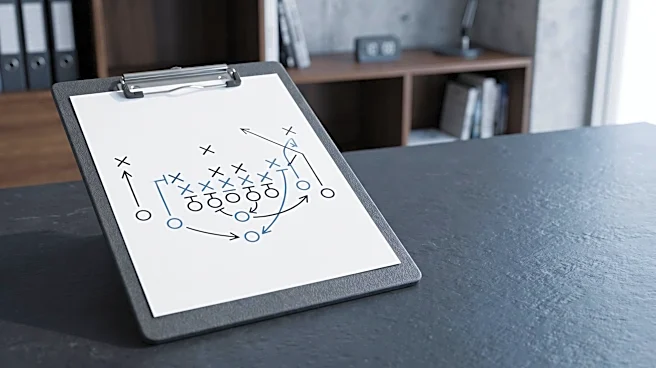
Finally, zoom out to look at team-level tendencies. Does a team run a fast-paced, no-huddle offense that leads to more total plays? This creates more fantasy opportunities for everyone involved. Conversely, a slow, methodical team will limit the upside of its skill players. You can also analyze a team's pass-to-run ratio in different situations. For instance, a team that is surprisingly pass-heavy inside the red zone can boost the touchdown upside of its receivers and quarterback. Understanding these broader coaching philosophies helps you contextualize individual player roles and make smarter bets on players in favorable offensive environments.