





1. The Elite, High-Volume Wide Receiver
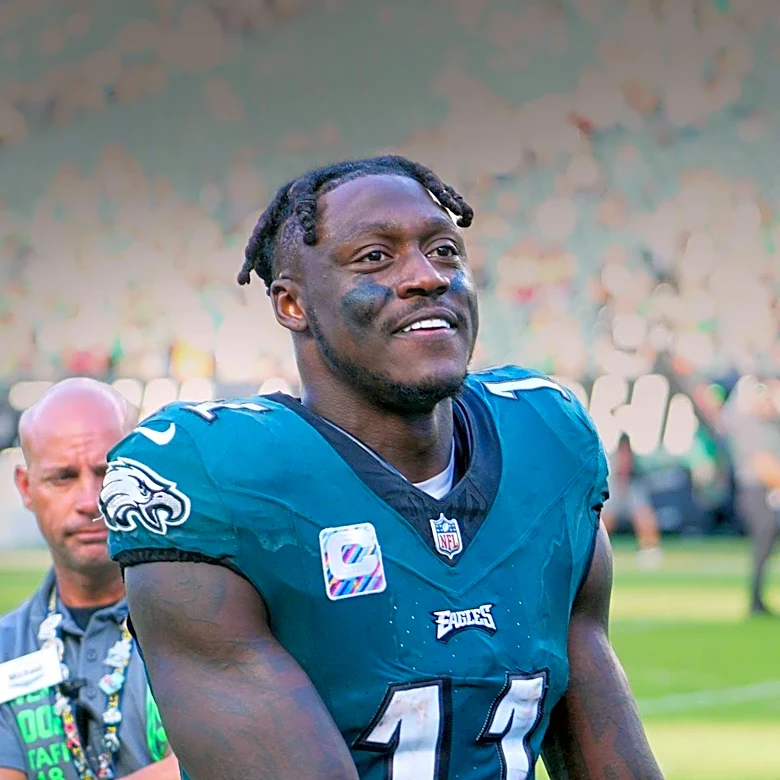
In today’s pass-heavy NFL, the truly elite wide receiver is the cornerstone of a championship roster. This archetype isn't just a good player; he's the undisputed top target on his team, commanding a massive target share and consistently delivering week-winning
performances. Think of players who are not just their quarterback's favorite option, but the entire focus of the passing offense. While some managers still cling to the old-school, running-back-heavy approach, the data shows that the top wideouts provide a safer floor and comparable upside. Unlike running backs, who face a higher risk of injury and are often trapped in committees, a dominant WR1 is a model of consistency. In full point-per-reception (PPR) leagues, their value is magnified even further. Securing one of these players in the first round gives your team a high-scoring anchor that is difficult to replicate in later rounds, as the talent at the position tends to drop off significantly after the top tier is gone.
2. The True Workhorse Running Back
The three-down workhorse running back is a dying breed, which is precisely what makes this archetype so valuable. These players are exceedingly rare, handling the vast majority of their team's carries, goal-line work, and a significant portion of the passing-down snaps. When you draft one, you're not just drafting a player; you're securing a massive and predictable volume of opportunities. The primary argument for grabbing a workhorse back early is scarcity. While some analysis suggests waiting on running backs due to a solid group available in the middle rounds, landing one of the few true bell cows provides a significant positional advantage over your leaguemates. The risk, of course, is injury. Running backs take a pounding, and investing a top pick in one can backfire spectacularly. However, the potential reward is a player who can single-handedly win you multiple weeks. If a healthy workhorse is available, their potential to dominate touches makes them a premier, high-upside pick.
3. The Game-Changing Tight End
There are tight ends, and then there are the elite, game-changing tight ends. This archetype refers to the handful of players at the position who function as their team's de facto No. 1 or No. 2 receiver. Drafting one of these difference-makers is like having an extra top-tier wide receiver in your tight end slot, creating a weekly mismatch that most opponents simply cannot counter. Recent draft trends show top tight ends like Brock Bowers and Trey McBride going off the board as early as the second round, a testament to their immense value. While many managers prefer to wait and stream the position, securing an elite TE provides a massive positional advantage. The drop-off from the top two or three tight ends to the rest of the pack is a canyon. While your opponents are hoping for a touchdown to salvage a 4-point day from their tight end, you're enjoying consistent, receiver-like production. It’s a steep price to pay in the early rounds, but it solves a major roster headache for the entire season.
4. The Dual-Threat Quarterback
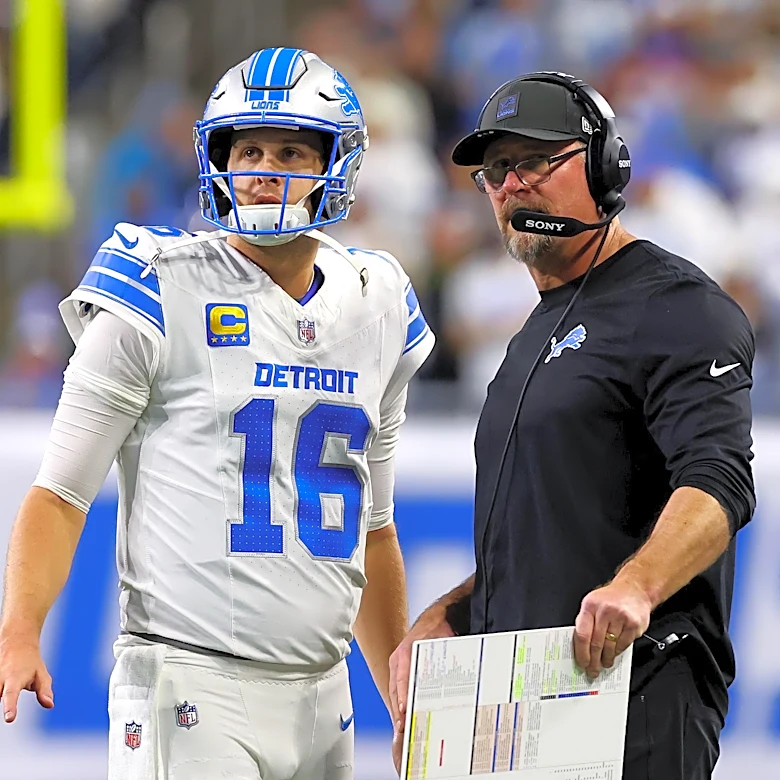
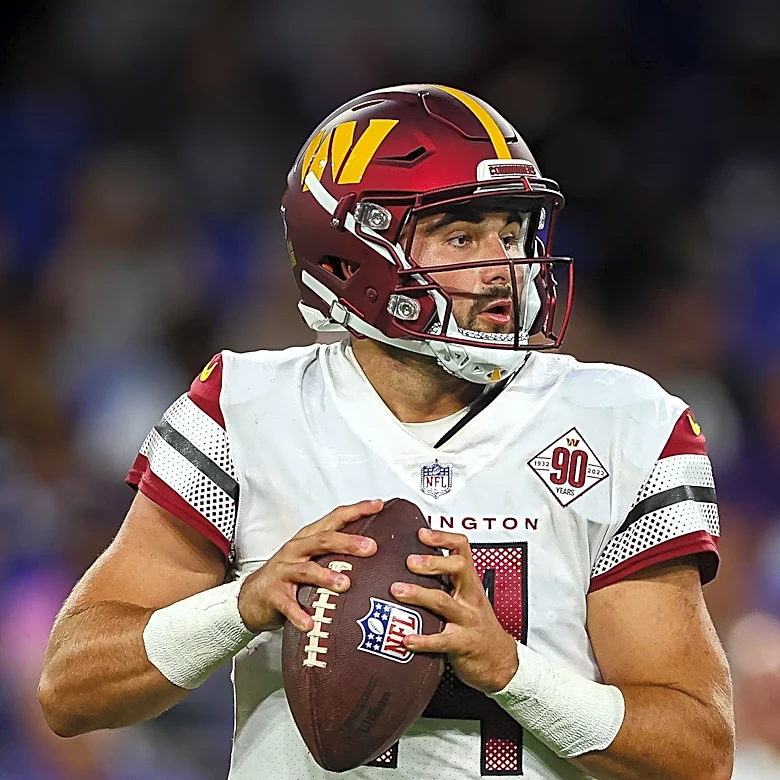
While many experts advocate for waiting on a quarterback, the elite dual-threat archetype is the one exception worth considering in the early-to-mid rounds. These are the quarterbacks who can beat you with their arm and their legs, offering a fantasy floor and ceiling that traditional pocket passers can’t match. Players like Josh Allen and Lamar Jackson have proven they can be league-winners by providing RB-like rushing production from the QB position. In 2026, the consensus is that the quarterback position is deep, making it a low-value slot to address early in single-QB leagues. The gap between the QB2 and the QB12 is often smaller than at other positions. However, if one of the top-tier rushing QBs falls to a reasonable spot in the fourth or fifth round, the advantage they provide can be immense. Their ability to score on the ground, particularly near the goal line, creates fantasy point totals that are nearly impossible for their pocket-passing peers to consistently replicate. Forfeiting an early pick on a QB means missing out on a valuable skill-position player, but hitting on the right dual-threat can be a season-defining move.