






Casual Leagues: The Quest for Consistency
In a standard, season-long league where you set your lineup each week, the goal is simple: beat one opponent at a time. This format rewards consistency and reliability. The players who top these “casual” rankings are often those with a high “floor”—meaning
they reliably produce a solid number of points each game. Think of a possession receiver who is guaranteed to see six to eight targets, catch five passes, and get you around 10-12 points in a PPR (points per reception) league. He might not win you the week on his own, but he won’t lose it for you either. The draft strategy here focuses on building a balanced roster with dependable starters at every position, ensuring you have a competitive lineup to trot out every Sunday without too many devastating duds. It’s about surviving the long haul and making the playoffs.
Tournament Thinking: It's All About the Ceiling
Now, throw that logic out the window for large-field tournaments like Best Ball or DFS (Daily Fantasy Sports). In these formats, you aren't trying to beat one person; you're trying to beat hundreds or even thousands. Finishing in the top half isn't good enough; only the very top finishers get a significant payout. This changes everything. The goal is no longer consistency, but raw upside. You need players with a massive ‛cealing”—the ability to have an explosive, week-winning performance that separates your roster from the pack. A player who scores 10 points every week is far less valuable than a boom-or-bust deep threat who might score 3 points three times in a row, but then explodes for 35 points with two long touchdowns. In Best Ball, where your optimal lineup is automatically set, those boom weeks are captured without you having to guess when they'll happen.
The Power of Correlation: Meet 'The Stack'
Tournament strategy heavily relies on a concept called “stacking.” This means drafting multiple players from the same NFL team, most commonly a quarterback and one of his top wide receivers or tight ends. The logic is based on correlation: if a quarterback has a massive game and throws for 350 yards and four touchdowns, it’s highly likely that at least one of his pass-catchers also had a monster day. By stacking, you are essentially making a concentrated bet that a specific offense will erupt. When it hits, both your quarterback and his receiver rack up points simultaneously, creating a compounding effect that can catapult your team to the top of the leaderboard. In a casual league, this is often seen as putting too many eggs in one basket, but in a tournament, it's a calculated risk necessary to achieve the massive scores required to win.
How Player Archetypes Shift in Value
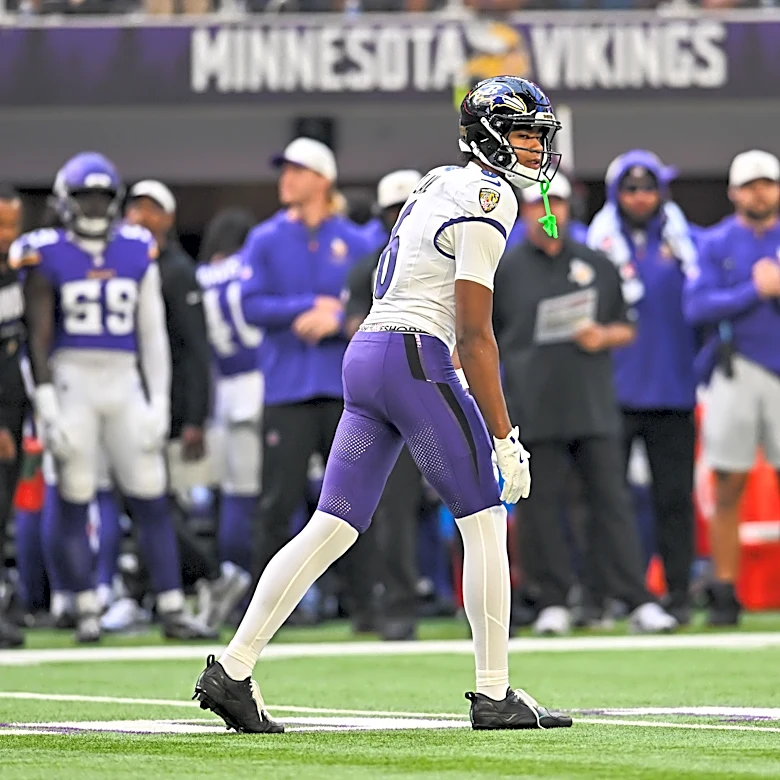
This strategic divergence creates clear winners and losers when moving between formats. The reliable slot receiver, a PPR darling in season-long leagues, loses value in tournaments because his 12-point ceiling isn't enough to make a real difference. Conversely, the one-dimensional deep-threat receiver, often a frustrating player to own in casual leagues, becomes a prime tournament target. His ability to score a 60-yard touchdown at any moment provides the exact kind of slate-breaking upside you need. Similarly, quarterbacks with elite rushing ability gain value due to their high ceilings. A quarterback who can throw for three touchdowns and run for another two creates a score that is nearly impossible for a pure pocket passer to match. The same principle applies to late-round picks: in casual leagues, you draft safe backups; in tournaments, you swing for the fences on rookies or backups who could become league-winners if the starter gets injured.