




The Humbling KO
Every great champion’s story has a moment of reckoning, and for Makhachev, it came early and brutally. In his second UFC fight in 2015, the undefeated prospect faced Brazilian veteran Adriano Martins. Charging in aggressively, Makhachev was caught by
a perfectly timed counter right hook and knocked out in under two minutes. It remains the only loss on his professional record. This wasn't just a defeat; it was a foundational lesson. It exposed the danger of reckless aggression and taught him a brutal lesson in patience and defense, forcing him to rebuild and refine his approach from the ground up. He later admitted that without that loss, he might never have become a champion.
The Long Grind to the Top
After the loss to Martins, Makhachev didn't get a fast track back to the limelight. Instead, he embarked on a long, methodical climb through the lightweight ranks. This period was defined not by one singular moment, but by a relentless string of victories against tough, but often unranked, opponents. Fights against Nik Lentz, Gleison Tibau, and Arman Tsarukyan showcased his evolving skill set. The Tsarukyan fight, in particular, was a high-level wrestling and grappling chess match that earned "Fight of the Night" honors and proved he could handle elite prospects. This extended winning streak was crucial; it allowed him to sharpen his striking, perfect his suffocating top control, and build the unshakeable confidence that would define his championship run, all while flying just under the radar.
Submitting the Submission King
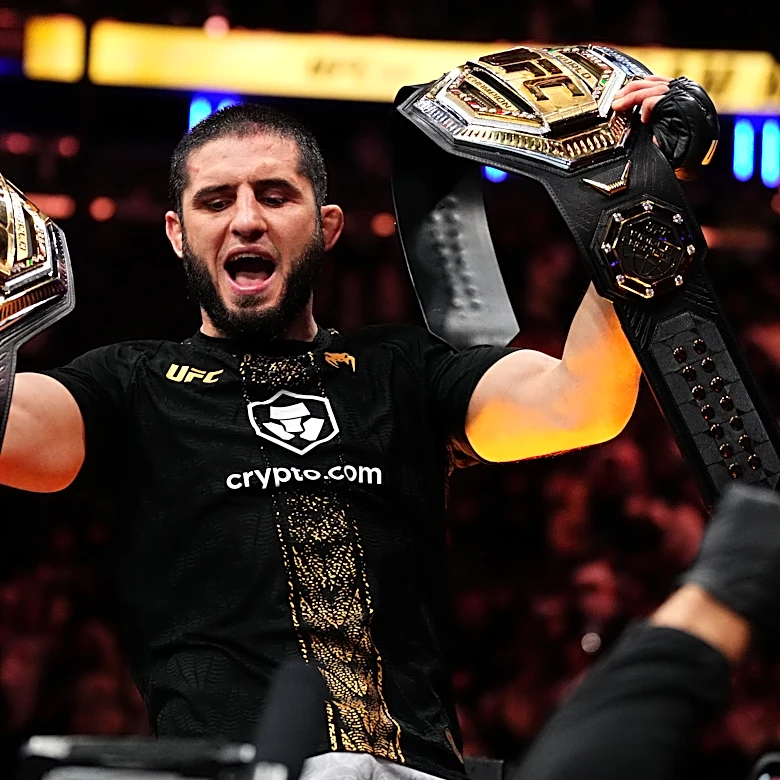
By the time he faced Charles Oliveira for the vacant lightweight title at UFC 280, the question wasn't whether Makhachev was good, but whether he was ready for the most dangerous finisher in the division's history. Oliveira was on an incredible run, known for his lethal Brazilian Jiu-Jitsu. Makhachev answered the question emphatically. He not only controlled the fight but beat Oliveira at his own game. He dropped the Brazilian with a crisp punch in the second round and immediately followed him to the mat, securing an arm-triangle choke for the submission victory. It was a masterclass performance that silenced all doubters. By submitting the man with the most submission wins in UFC history, Makhachev didn't just win the belt; he claimed it with absolute authority.
The Pound-for-Pound Test
With the lightweight belt secured, a new challenge emerged: proving he was the best fighter in the world. That meant facing featherweight king and then-pound-for-pound number one, Alexander Volkanovski. Their first fight at UFC 284 was a tactical, razor-thin five-round war. Makhachev's size and grappling were met with Volkanovski's incredible speed, striking, and takedown defense, pushing the Dagestani champion to his absolute limit. Though Makhachev won a close decision, the debate over who was truly better lingered. The rematch at UFC 294, however, left no room for argument. Makhachev ended the rivalry with a stunning first-round head kick knockout. This victory solidified his spot atop the pound-for-pound rankings and proved he could win in any facet of the game.
Forging His Own Legacy
Inheriting the mantle from his mentor, Khabib Nurmagomedov, came with immense pressure. For years, he was seen as "Khabib's protégé." His championship defenses since the Volkanovski series have been about carving his own distinct legacy. A hard-fought, fifth-round submission win over the legendary Dustin Poirier at UFC 302 was a perfect example. It was a grueling battle that tested his cardio and resolve over 25 minutes, further distinguishing his reign. By successfully defending the belt against the division's best, Makhachev has stepped out of Khabib's considerable shadow to be recognized not just as a successor, but as a dominant champion in his own right, building one of the most impressive runs in the sport's history.