




It's Called the 'Brickyard' for a Reason
The track's famous nickname is literal. When IMS first opened in 1909, its surface was a dangerous mix of crushed rock and tar that disintegrated during early races. To create a safer and more durable course, owner Carl Fisher paved the entire 2.5-mile
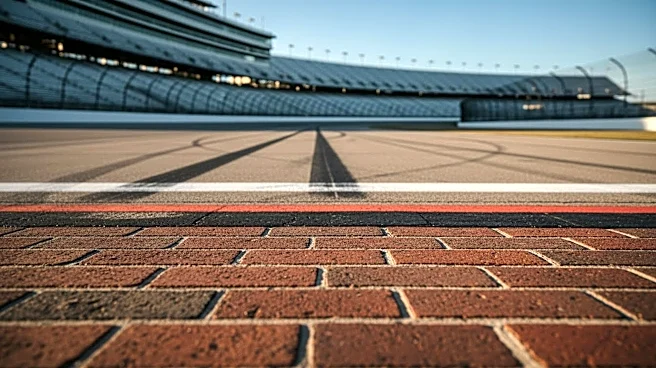
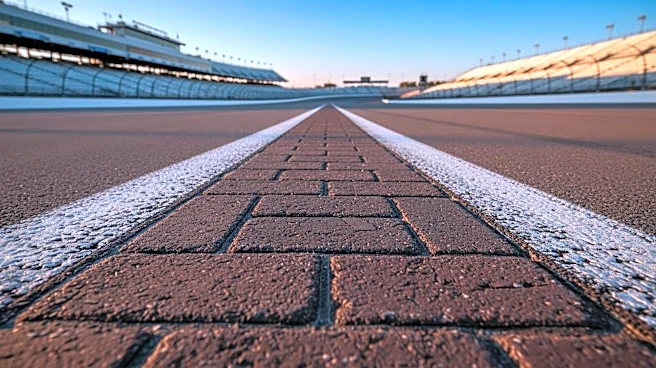
oval with 3.2 million bricks, each weighing about 9.5 pounds. The project was completed in just 63 days. Over the decades, the bricks were gradually covered with asphalt to create a smoother, faster surface. By 1961, the entire track was paved except for one iconic, 36-inch strip of the original bricks at the start/finish line, now famously known as the "Yard of Bricks."
The Scale of the Place Is Mind-Blowing
The Indianapolis Motor Speedway is colossal. With a permanent seating capacity of over 257,000, it is the highest-capacity sports venue in the world. When you include infield general admission, the total capacity swells to an estimated 400,000 people. To put its 559-acre footprint into perspective, you could comfortably fit several other famous landmarks inside the oval, including the Roman Colosseum, Vatican City, Churchill Downs, the Rose Bowl, and Yankee Stadium, with room to spare. Walking the full 2.5-mile oval is a workout in itself, giving fans a true sense of the challenge drivers face.
The Pagoda Is the Track's Nerve Center
The striking, Japanese-style Pagoda that stands over the start/finish line is one of the most recognizable structures in motorsports. The original wooden Pagoda was built in 1913, burned down in 1925, and was immediately replaced. The modern, 10-story steel and glass Pagoda that stands today was completed in 2000 as part of the track's preparations to host Formula One. It functions as the high-tech race control center, housing timing and scoring, broadcast booths, and VIP suites, serving as the central nervous system for every event on the track.
NASCAR Was a Late Arrival to the Party
While the Brickyard 400 is a crown jewel on the NASCAR calendar, stock cars are relative newcomers to IMS. The Speedway's history is dominated by the Indianapolis 500, an open-wheel race that has been run since 1911. It wasn't until 1994 that NASCAR's top series was invited to compete, holding the inaugural Brickyard 400. That first race was a monumental event, instantly becoming one of NASCAR's most-attended and prestigious races, won by a young, Indiana-raised Jeff Gordon.
Kissing the Bricks Is a NASCAR Tradition
One of the most enduring images from any race at Indy is the winning driver and team kneeling to kiss the Yard of Bricks. While IndyCar drivers have adopted it, this tradition was actually started by a NASCAR champion. After winning the 1996 Brickyard 400, Dale Jarrett and his crew chief, Todd Parrott, spontaneously walked to the finish line to kiss the historic bricks as a tribute to the track's legacy. The impromptu sign of respect caught on, and now it's the signature celebration for any driver who conquers the Brickyard.
You Can Play Golf Inside the Racetrack
In a unique blend of sports, IMS is also home to a championship golf course called Brickyard Crossing. Designed by the legendary Pete Dye, the course has 14 holes located along the backstretch and, incredibly, four holes situated entirely within the infield of the racetrack. The course, which first opened in 1929, has hosted PGA, LPGA, and Champions Tour events, offering golfers the surreal experience of sinking a putt while surrounded by one of the fastest tracks on earth.
The Legendary Oval Is Back for the Brickyard
For three years, from 2021 to 2023, the Brickyard 400 took a detour, with the NASCAR Cup Series competing on the infield road course in an event called the Verizon 200. While the racing was competitive, many drivers and fans missed the tradition and high-speed prestige of the 2.5-mile oval. In 2024, to celebrate the 30th anniversary of the first race, NASCAR brought the Brickyard 400 back to its rightful home on the big oval, a move that was widely praised and reconnected the event with its historic roots.