


The Perfect Storm of Storytelling
Since its inception in 1988, SummerSlam has been positioned as WWE's second-biggest event of the year. This unique spot in the calendar, typically falling in August, gives it a distinct advantage. Storylines that begin in the shadow of WrestleMania have
months to simmer, boil, and finally explode. It’s the perfect time for a major plot twist, the coronation of a new challenger, or the epic conclusion to a bitter rivalry. Unlike the Royal Rumble, which is about the opportunity to come, or Survivor Series, which is often focused on brand supremacy, SummerSlam is about the here and now. It’s the blockbuster event of the summer, where the stakes feel sky-high and a single victory can change a superstar's trajectory heading into the fall season.
The Launching Pad: The Beast Arrives
Look no further than SummerSlam 2002 for a prime example of a career being launched into the stratosphere. A rookie named Brock Lesnar, billed as 'The Next Big Thing,' challenged The Rock for the WWE Undisputed Championship. At the time, The Rock was transitioning to Hollywood, and the crowd, sensing a part-time future, turned on him. They rallied behind the monstrous Lesnar, a fresh and dominant force who had won the King of the Ring tournament to earn his shot. The match was a passing of the torch. Lesnar’s victory made him the youngest WWE Champion in history at that point and instantly established him as the new face of the company, a move that paid dividends for decades to come. The Rock quietly retired as a full-time performer after the event, his mission to groom his successor complete.
The Graduation: Climbing the Ladder to Stardom
Before they were perennial main-eventers, Triple H and The Rock were leaders of warring factions, D-Generation X and the Nation of Domination. Their feud over the Intercontinental Championship culminated in a grueling Ladder Match at SummerSlam 1998. This wasn't the main event, but it stole the show and proved that both men were destined for greatness. The match was a showcase of their grit, charisma, and willingness to put their bodies on the line. For many fans, this was the moment they stopped seeing two mid-card talents and started seeing two future world champions. The match served as a graduation ceremony, elevating both competitors and giving a clear preview of the main event scene for years to come.
The Validation: A Technical Masterpiece
Sometimes, a career-defining moment isn't about winning the top prize, but about proving you belong in the conversation. At SummerSlam 1991, Bret 'Hitman' Hart, then primarily known as a tag team specialist, challenged Mr. Perfect for the Intercontinental Championship. The match that followed was a technical wrestling clinic, a masterclass in psychology and execution. Hart’s victory was more than just a title win; it was his validation as a premier singles star. He had proven he could hang with the best and deliver a championship-caliber performance on a major stage. This win set the foundation for his eventual rise to become a multi-time WWE Champion and one of the most respected performers of his generation.
The Apex of a Story: The Summer of Punk
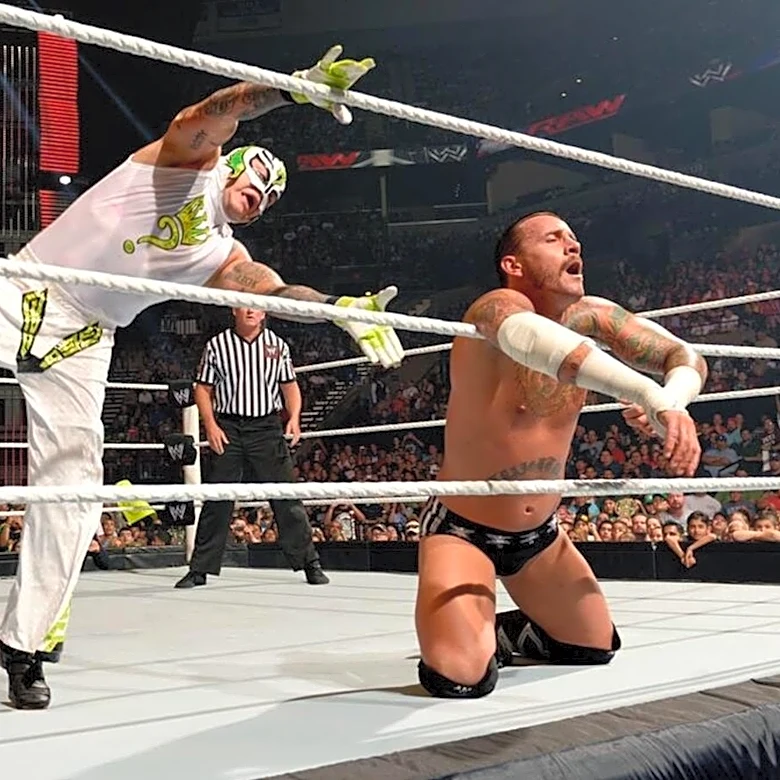
In 2011, CM Punk had become the hottest act in wrestling following his infamous 'pipebomb' promo. He won the WWE Championship at Money in the Bank and seemingly left the company, only to return and find John Cena had been crowned the new champion in his absence. This set the stage for a massive main event at SummerSlam to determine the undisputed champion. The match was electric, a clash of ideologies between the anti-establishment hero and the company's flagbearer. Though the aftermath was chaotic—with Kevin Nash appearing and Alberto Del Rio cashing in his Money in the Bank contract—the match itself was the peak of the 'Summer of Punk' storyline, defining an entire era and cementing Punk as a bonafide main event draw who could rival Cena's popularity.