

1988: The Mega Powers' Blockbuster Debut
The first SummerSlam was born from a simple goal: create a summertime blockbuster to rival competitors. Held at a sold-out Madison Square Garden, the event was built around the epic tag team main event of The Mega Powers (Hulk Hogan and WWF Champion Randy
Savage) versus The Mega Bucks (Ted DiBiase and André the Giant). This wasn't about workrate; it was pure 80s spectacle. The show also featured one of its most iconic early moments when The Ultimate Warrior sprinted to the ring to surprisingly squash The Honky Tonk Man for the Intercontinental Championship, ending his record-long reign. The inaugural event established a formula: larger-than-life characters, big storylines, and a party atmosphere that set it apart from the pomp of WrestleMania.
The 1990s: Technical Masterpieces and Attitude
The 90s saw SummerSlam, and wrestling itself, transform. The cartoonish muscle of the 80s gave way to the technically gifted "New Generation." This era was defined by performers like Bret "Hit Man" Hart, who had stellar matches against Mr. Perfect in 1991 and his brother-in-law The British Bulldog in 1992. The '92 event, held in front of over 80,000 fans at London's Wembley Stadium, was a landmark moment, proving the company's massive international appeal. By the late 90s, the edgy, anti-authoritarian Attitude Era had taken over. SummerSlam became a showcase for this new spirit, with main events featuring rebellious icons like "Stone Cold" Steve Austin and The Rock. SummerSlam 1998, headlined by Austin vs. The Undertaker, is often seen as a pivotal show that solidified the era's gritty, unpredictable identity.
The 2000s: Ruthless Aggression and New Icons
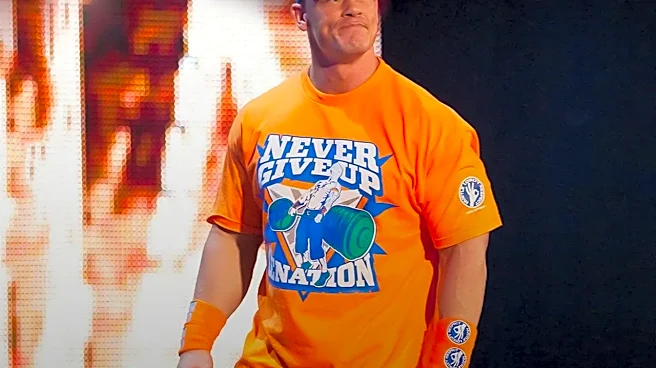
As the Attitude Era faded, the "Ruthless Aggression" era began, and SummerSlam was its proving ground. The brand split between Raw and SmackDown created new rivalries and stakes. This decade was defined by the rise of a new class of main event talent. Brock Lesnar famously defeated The Rock in 2002 to become the youngest WWE Champion in history, and stars like John Cena, Batista, and Randy Orton used the event to build their legacies. The match styles also evolved, with the first-ever Tables, Ladders, and Chairs (TLC) match taking place at SummerSlam 2000 between Edge & Christian, The Hardy Boyz, and The Dudley Boyz—a chaotic spectacle that redefined tag team wrestling. The event consistently delivered a mix of epic clashes and innovative match types, cementing its status as WWE's number two show of the year.
The Modern Era: From PPV to Global Stadium Spectacle
In the 2010s and beyond, SummerSlam underwent its most significant structural changes. The shift from pay-per-view to the WWE Network (and later Peacock) made it more accessible than ever. The presentation grew bigger, with the event moving from arenas into massive NFL stadiums starting in 2021. This transformed "The Biggest Party of the Summer" into a week-long festival with community and fan events. While the product became more family-friendly under the "PG Era," the in-ring action remained top-tier, and the women's division evolved from an afterthought into a central attraction, often featuring some of the best matches on the card. Looking ahead, the event continues to expand, with the 2026 edition in Minneapolis set to be a two-night affair, a format once reserved only for WrestleMania.